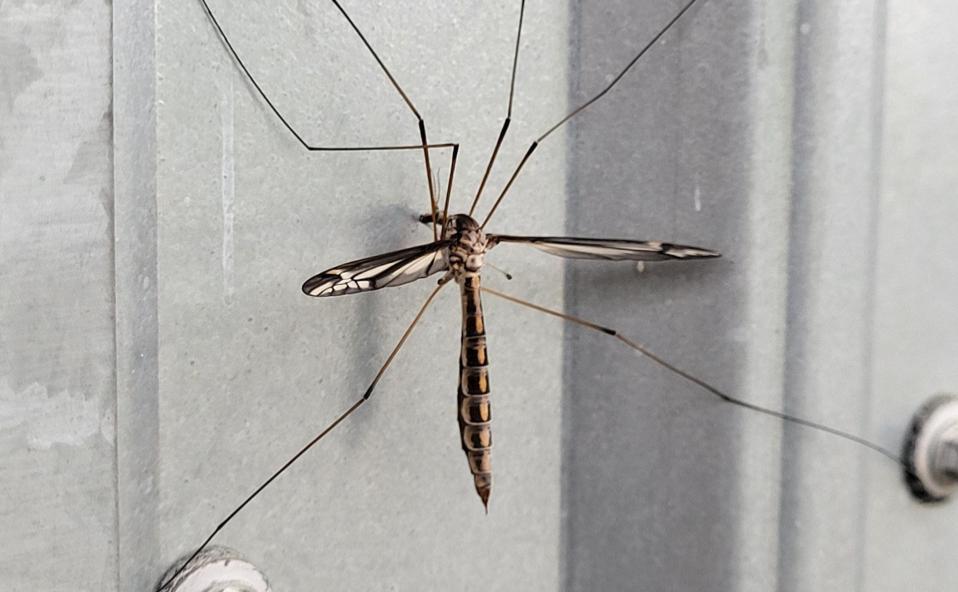

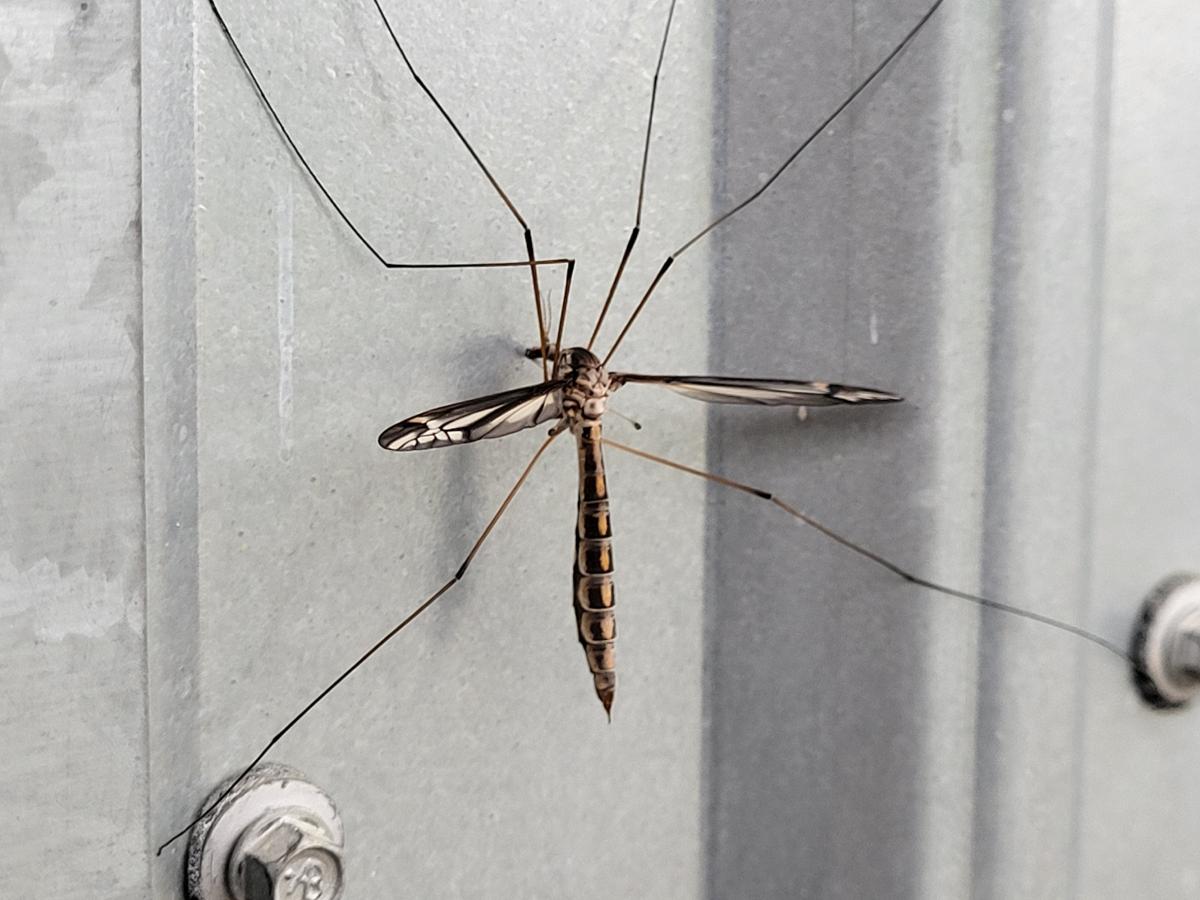
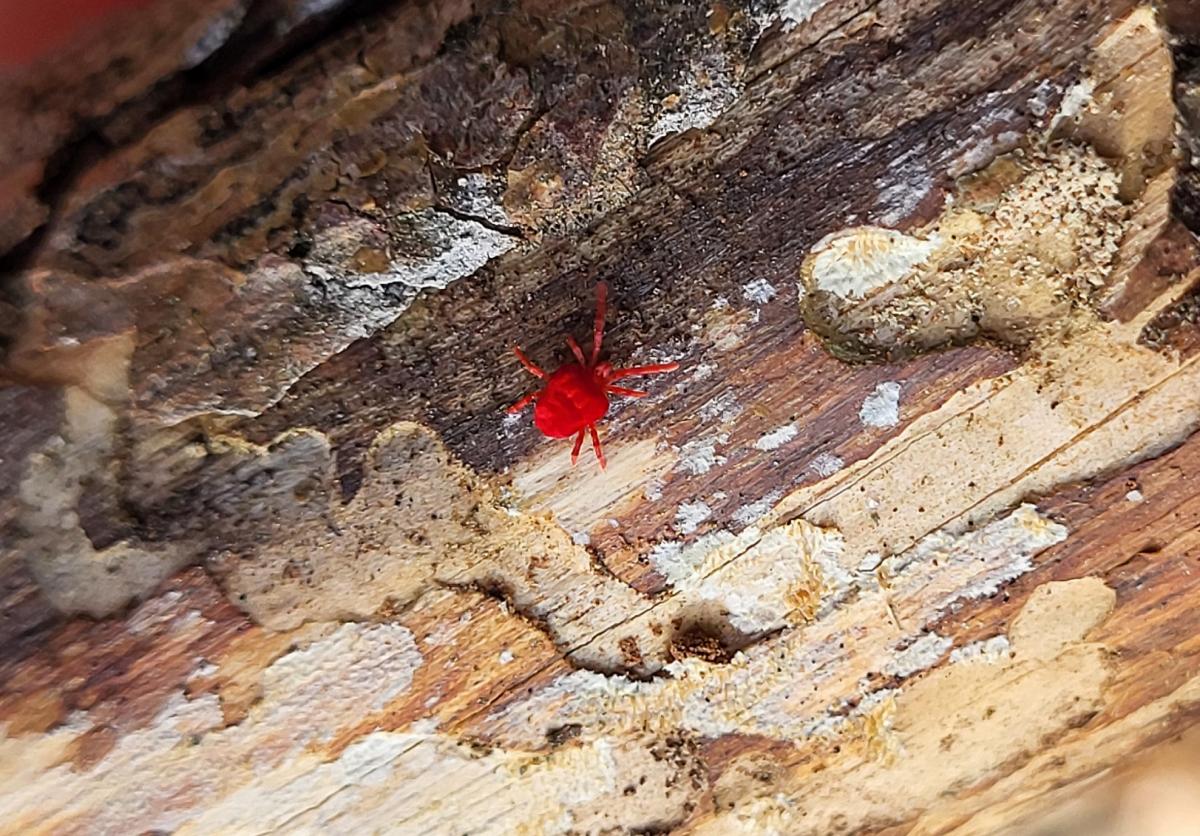
Happy Mystery Monday! What stunning insect did we find?
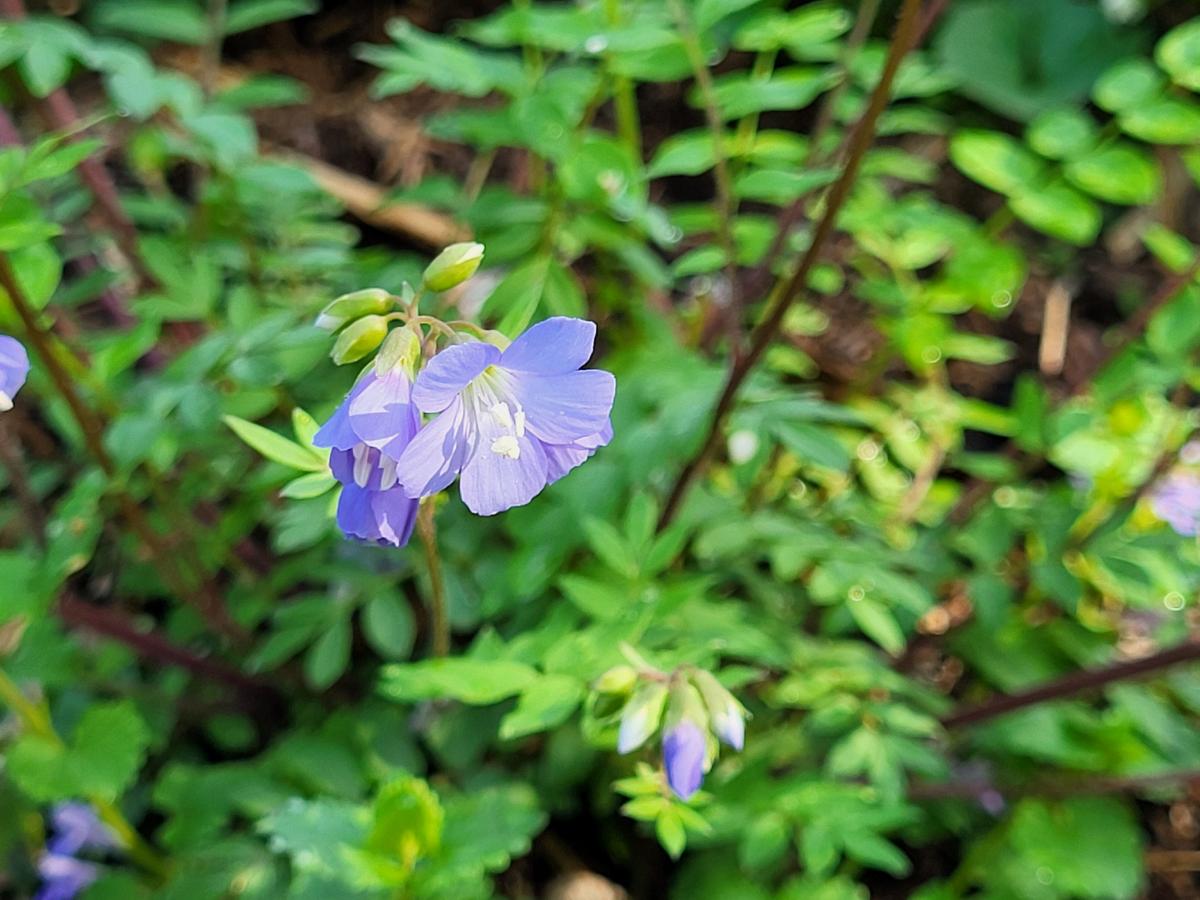
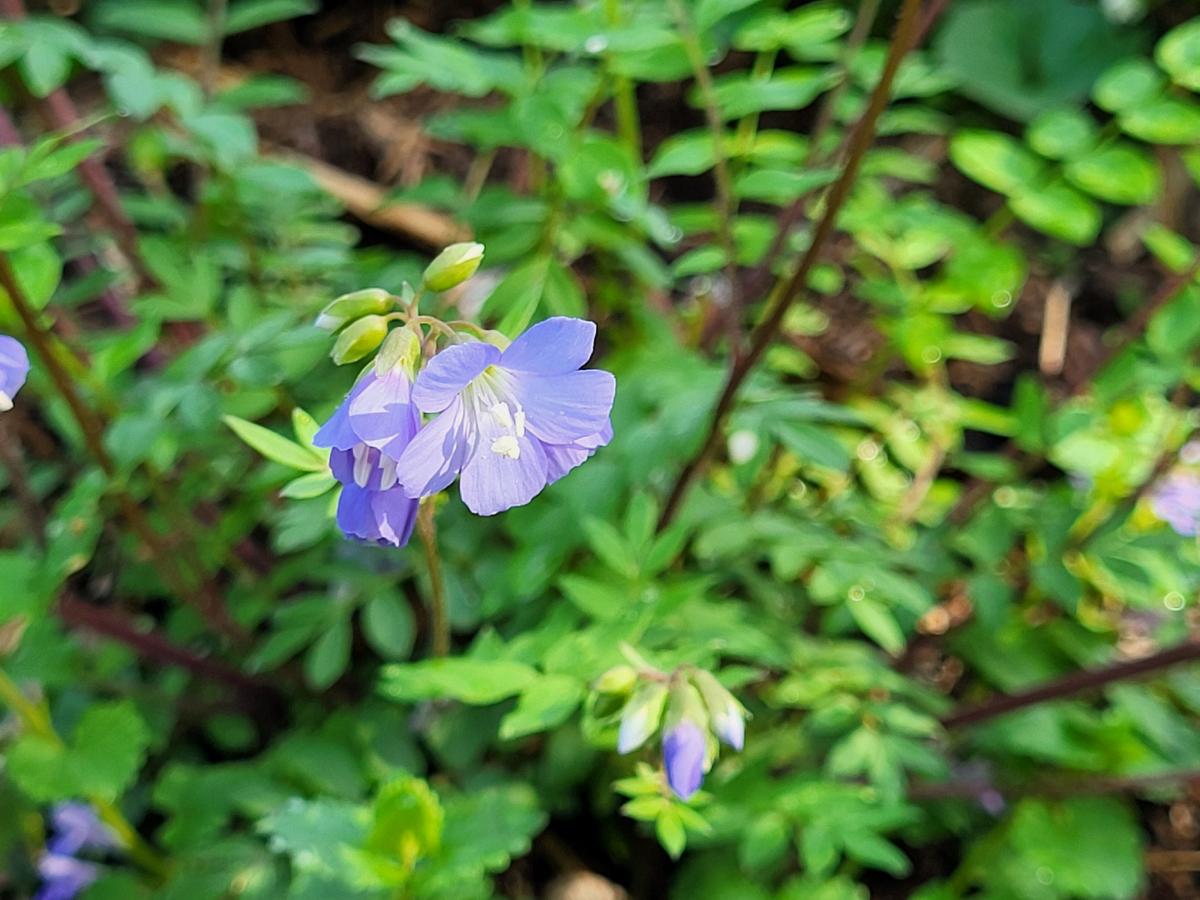
 Last week, we asked you about Jacob’s ladder (Polemonium reptans)! Jacob’s ladder thrives in well-drained soil in the part shade. Naturally occurring in rich, moist woods and streambanks, this native perennial produces delicate bell-shaped blue flowers in the spring. It is an important source of pollen and nectar for native bees, especially bumble bees. Its common name is likely derived from the arrangement of leaflets, which look like rungs of a ladder. It is sometimes also referred to as Greek valerian.
#adkinsarboretum #mysterymonday #mysteryinsect #mysteryplant #jacobsladder #nativeephemeral #springflowers #carolinecounty
 Adkins Mystery Monday is sponsored by the Spy Newspapers and Adkins Arboretum. For more information go here.

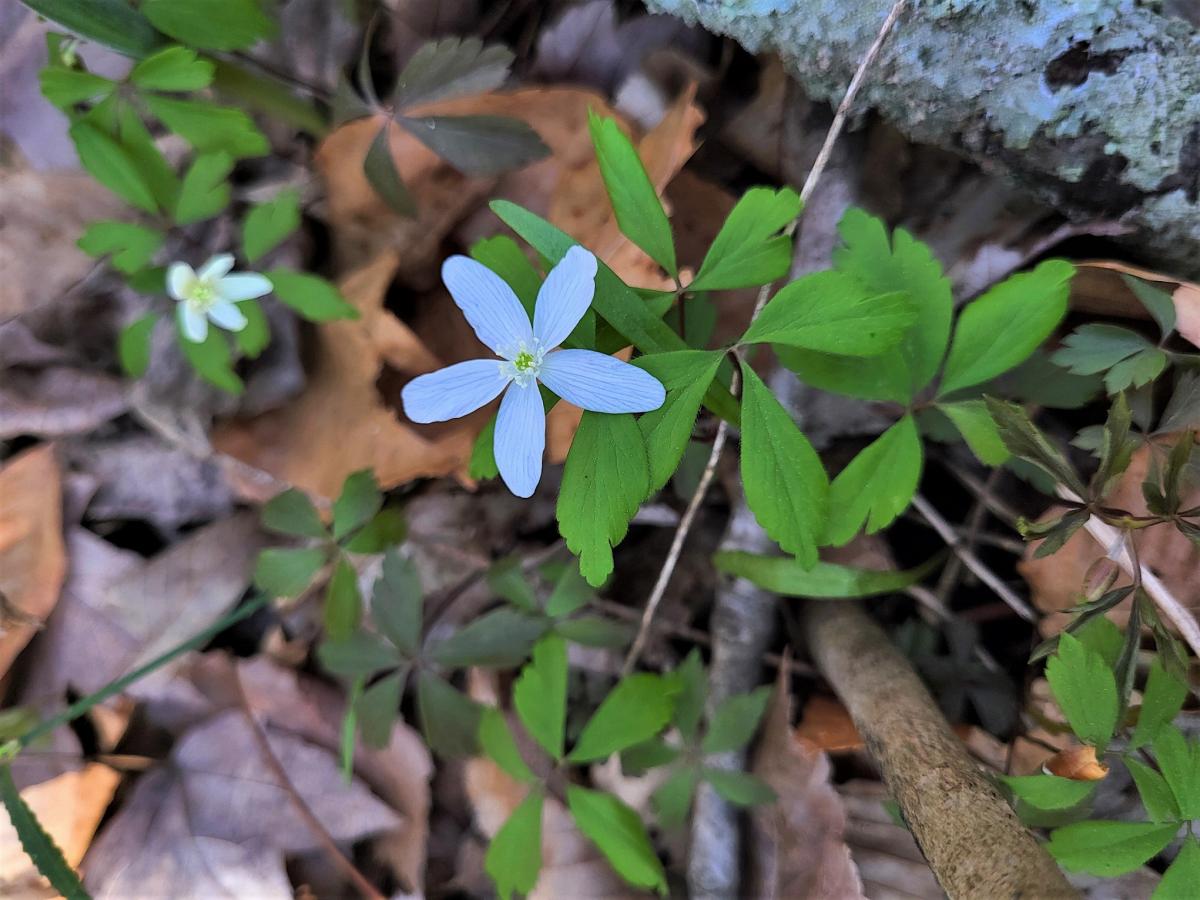
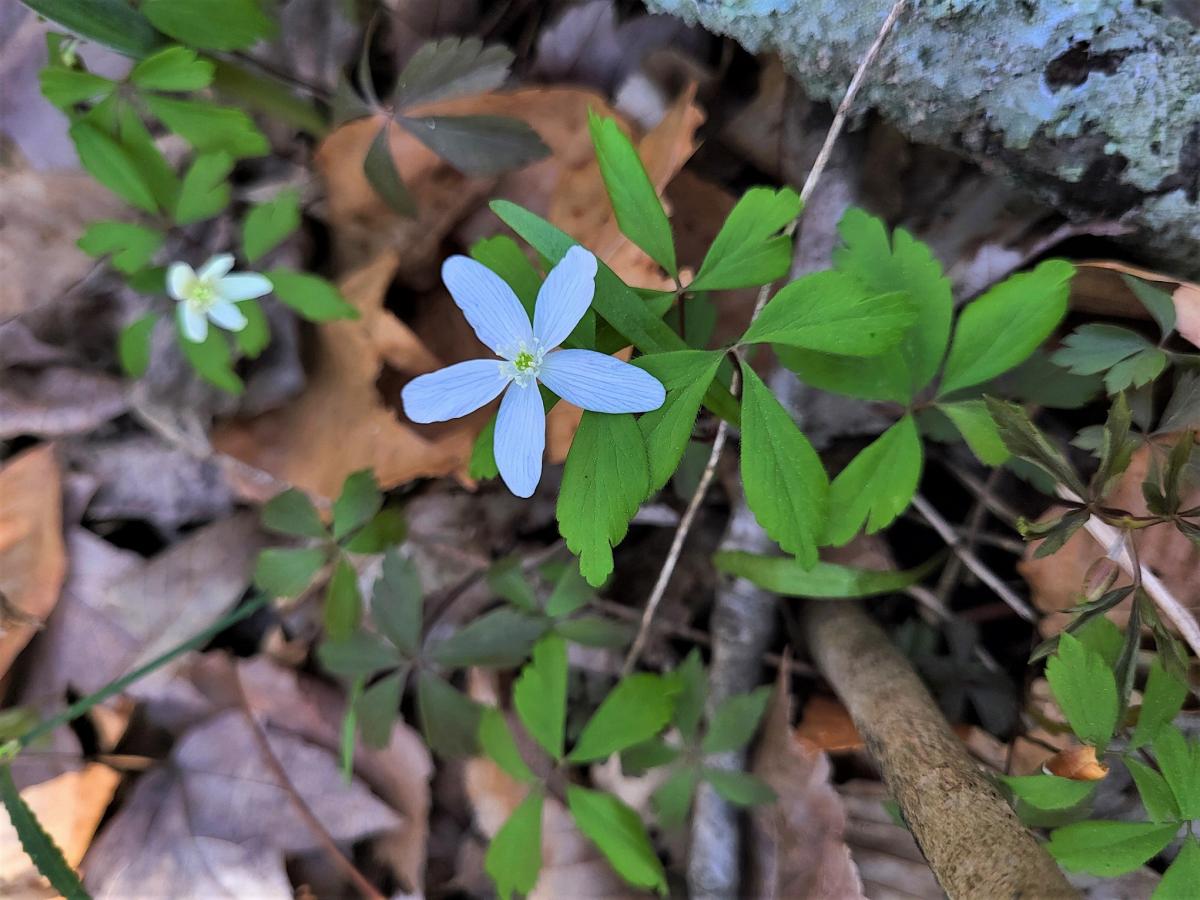
 Last week, we asked you about wood anemone (Anemone quinquefolia)! This delicate woodland wildflower has also been called “wind flower” perhaps because of how it trembles in the spring breeze. The flowers will close up on cloudy days or at night, limiting pollinator activity to sunny days. The wood anemone likes consistent moisture and is more commonly found in moist woods or at the base of tree trunks. Wood anemone produces seeds that contain elaiosomes. These elaiosomes contain lipids and proteins, which nourish and attract ants, which then disperse the seeds!
 Adkins Mystery Monday is sponsored by the Spy Newspapers and Adkins Arboretum. For more information go
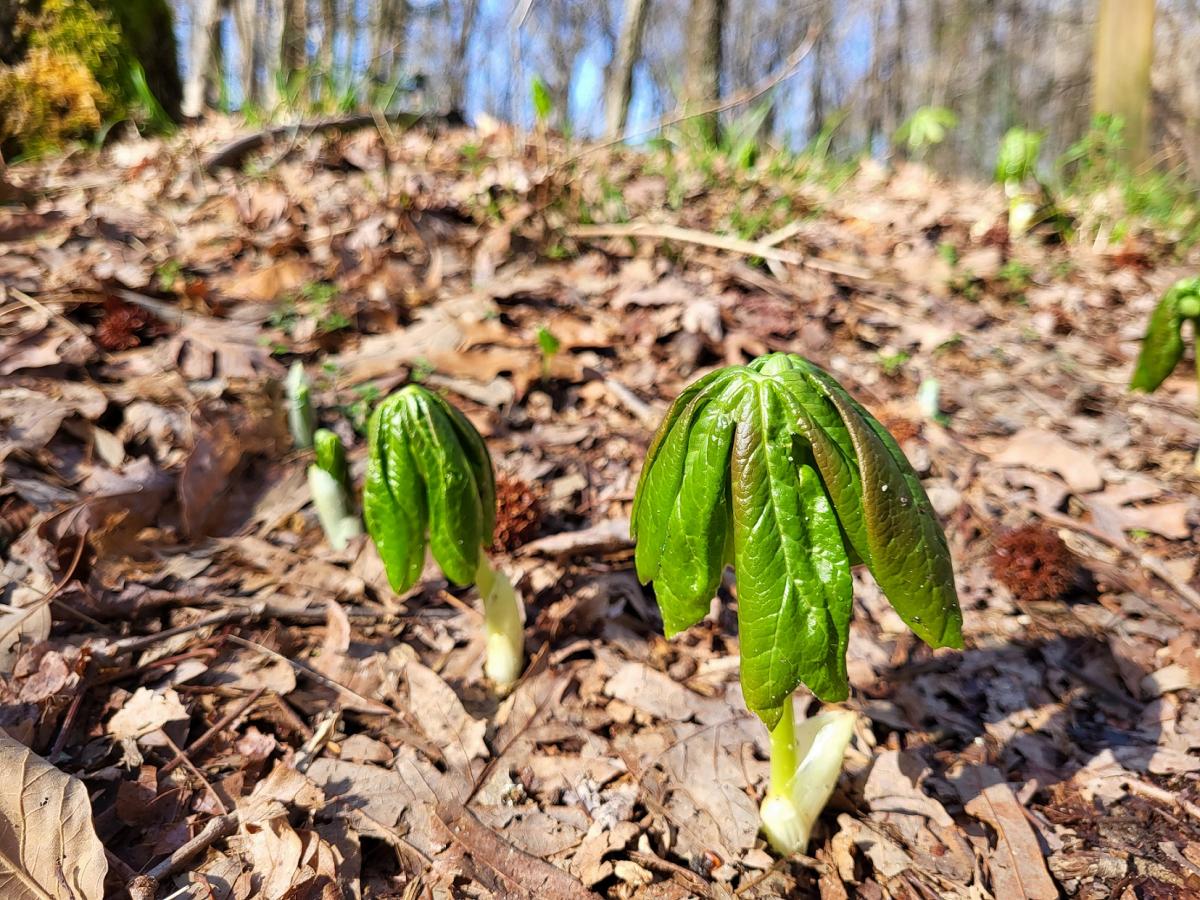
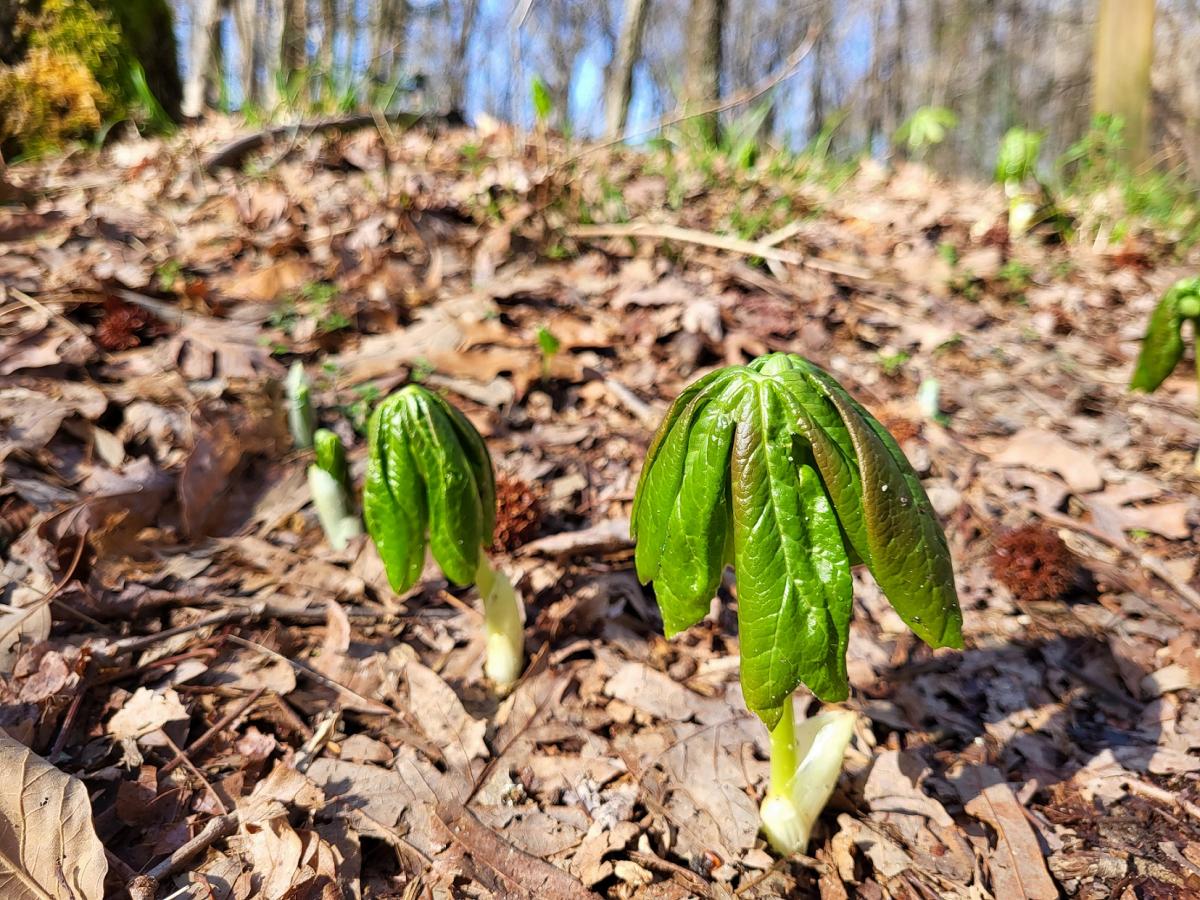
  Last week, we asked you about the mayapple (Podophyllum peltatum)! Mayapples grow in colonies and produce umbrella-like leaves that turn the forest floor into a spring beach party! Did you know that mayapples with only one leaf are not mature enough to flower or fruit? If it has two leaves, it is mature and is likely to flower. Box turtles love the fruit and are the main seed dispersers, though mice, squirrels, opossum, raccoon, and even grackles are thought to contribute to dispersal. Mayapple colonies grow relatively slowly, about 4-6 inches each year, but can live up to 100 years old! Next time you’re walking in the woods, keep an eye out for these awesome plants and take a moment to kneel down and check out the mayapple’s point of view. “Mayapple forests” are quite magical!
 Adkins Mystery Monday is sponsored by the Spy Newspapers and Adkins Arboretum. For more information go
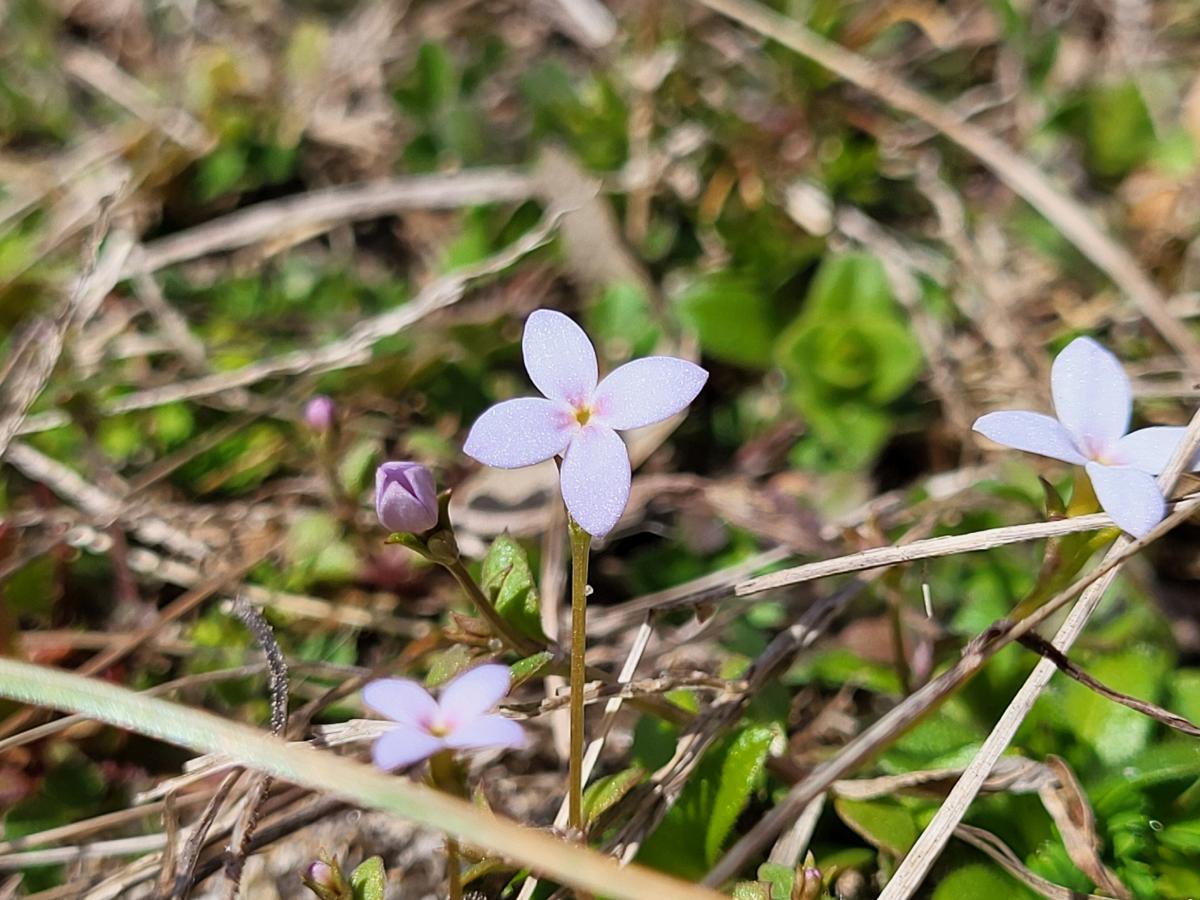
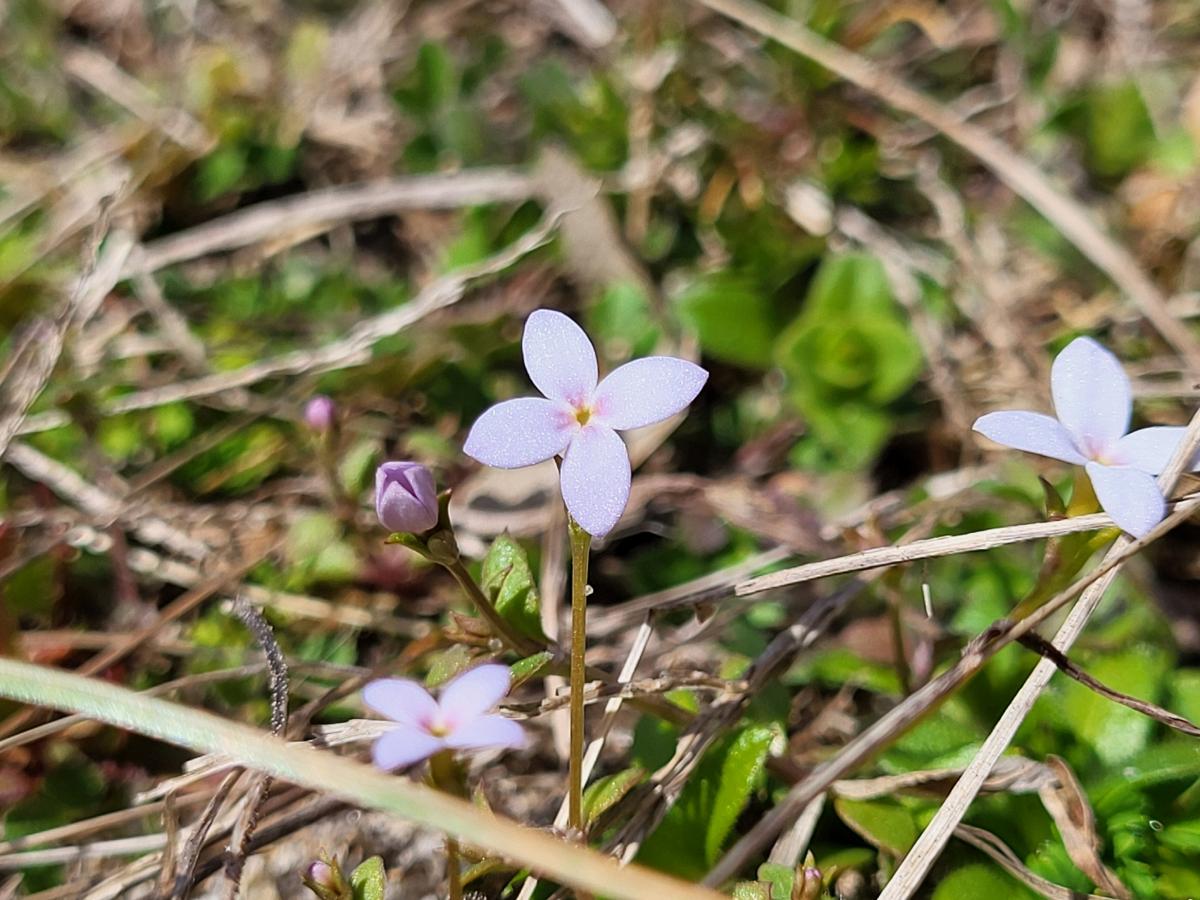
  Last week, we asked you about small bluets (Houstonia pusilla)! There are seven species of bluets in Maryland, two of which have been observed at Adkins Arboretum. According to the Maryland Biodiversity Project, small bluets can be differentiated from azure bluets (Houstonia caerulea) by their small size and reddish purple tint at the base of each petal. Azure bluets have yellow at the base of each petal. Small bluets may look delicate, but they can be found in some stressful and open places including along our entrance drive (and sometimes in between the pavement!). They tend to prefer slightly acidic soils and thrive in areas where the grass may be sparse and open. The flowers contain four lobes and may range in color from purple to a light blue. Fun fact: did you know that bluets are in the same plant family (Rubiaceae) as the coffee plant?
 Adkins Mystery Monday is sponsored by the Spy Newspapers and Adkins Arboretum. For more information go
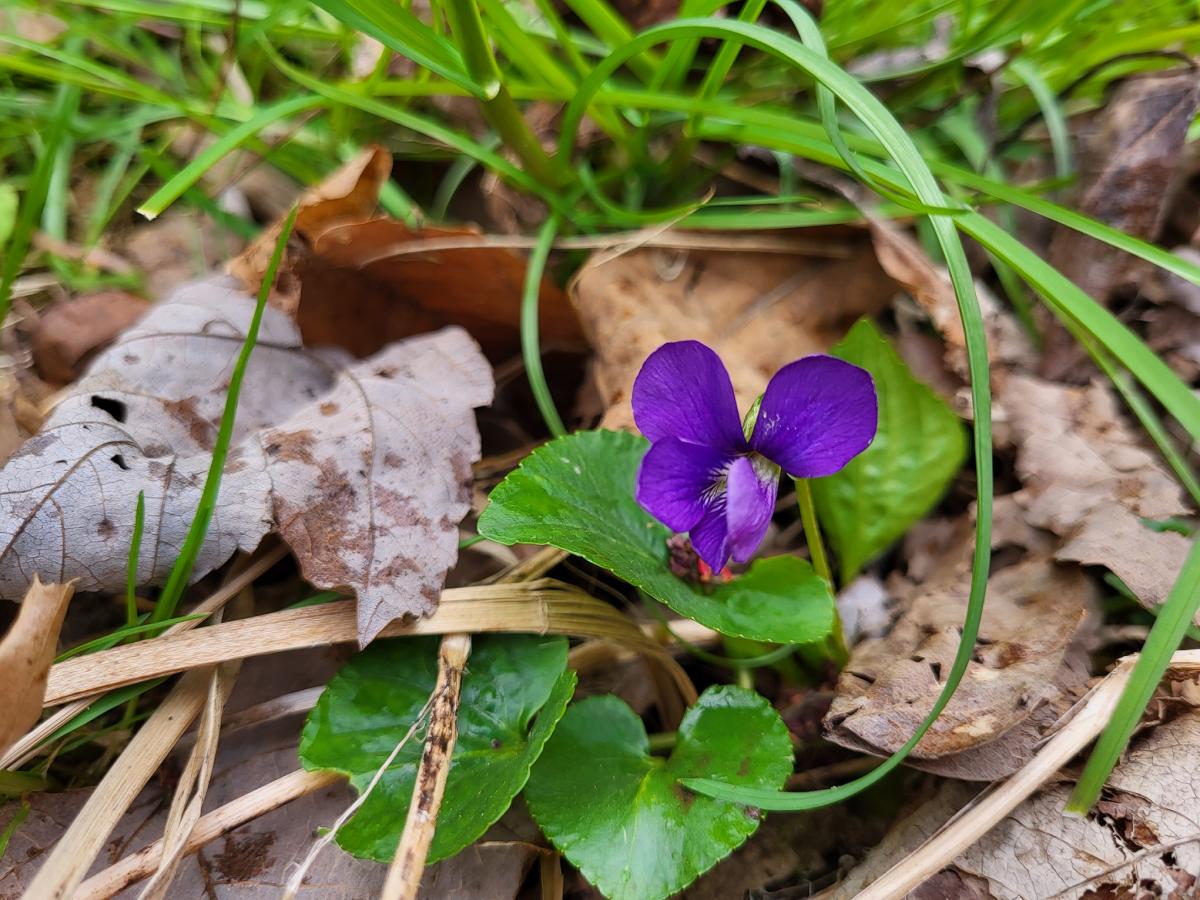
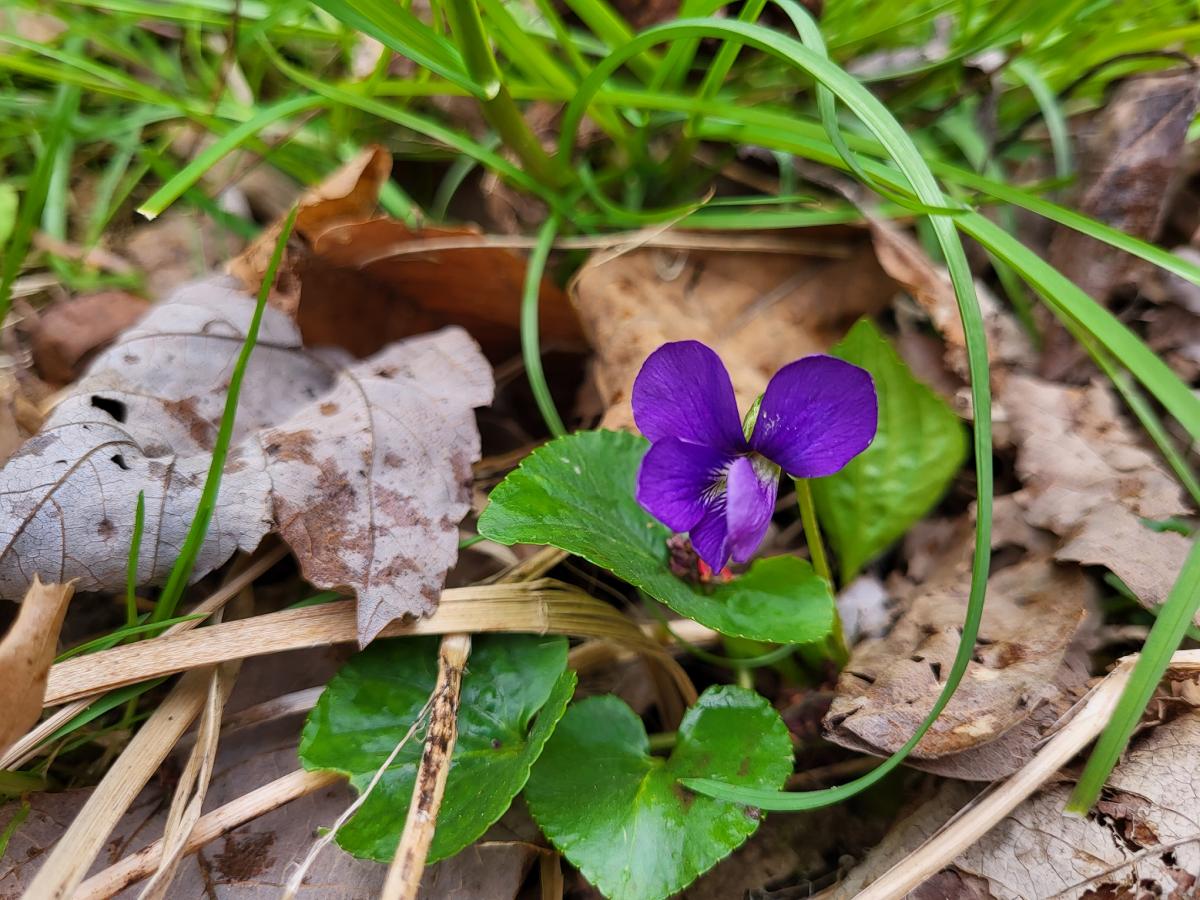
 Last week, we asked you about violets (Viola spp.). There are 12 species of native violets reported for Caroline County. While many people might think of violets as lawn weeds, the native violets are beautiful and early blooming groundcovers that are also important ecological assets. Violets serve as a host plant to a variety of fritillaries, as well as a specialist mining bee. Different species tolerate different conditions ranging from meadows and lawns to forested floodplains. For more information, check out the Indigenous Peoples’ Perspective Project on our website for a plant profile on violets!
 Adkins Mystery Monday is sponsored by the Spy Newspapers and Adkins Arboretum. For more information go
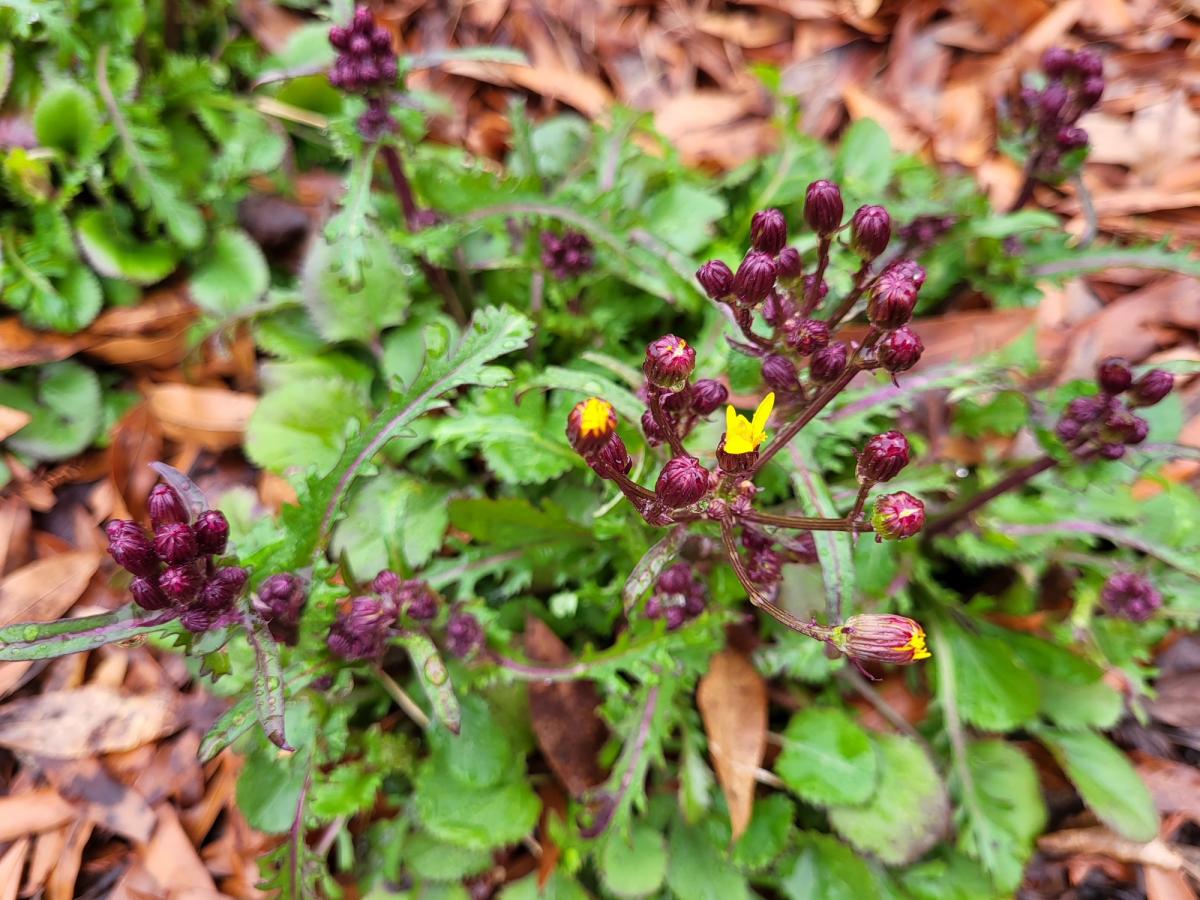
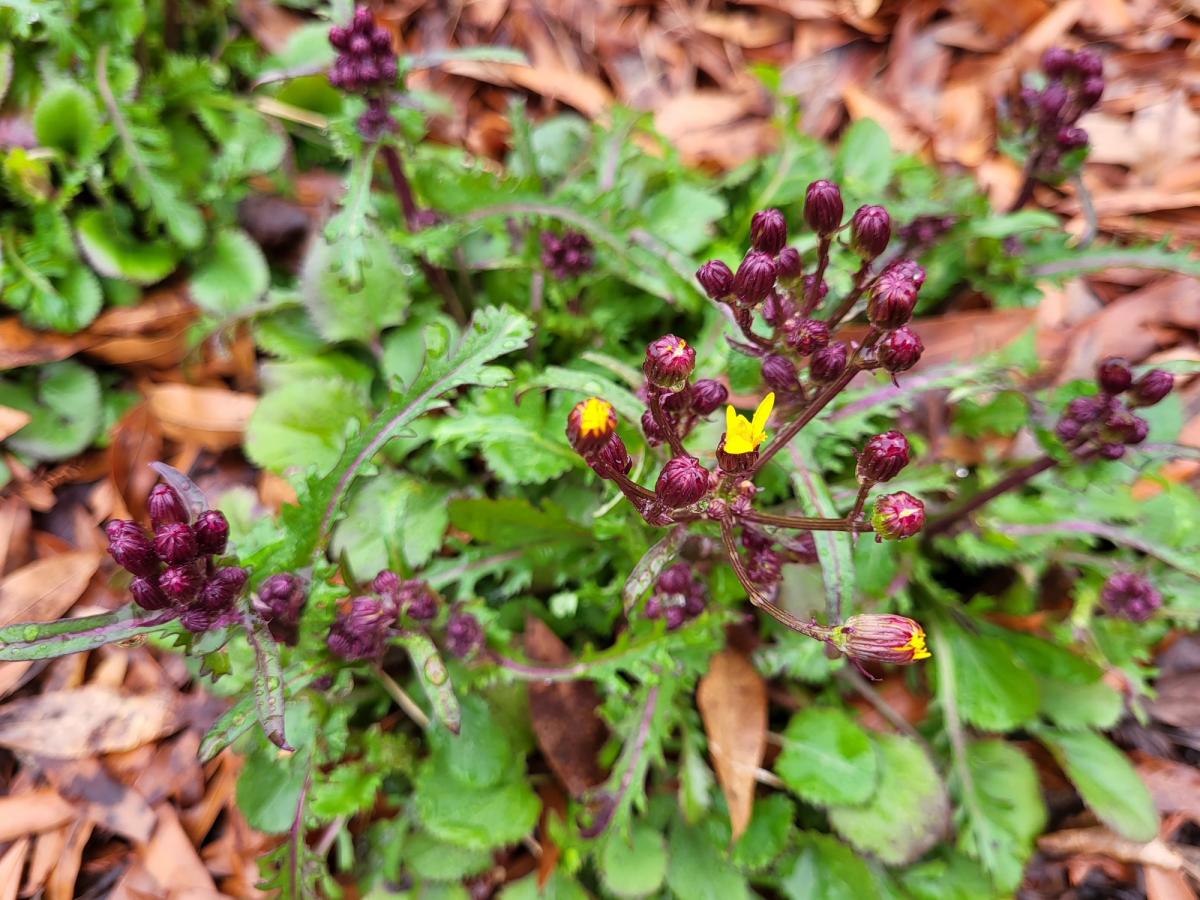
  Last week, we asked you about golden ragwort (Packera aurea)! This native groundcover has year-round interest! Throughout the winter, it retains its green basal leaves. In spring, it is amongst the earlier blooming natives with bright yellow flowers. In summer, it will go to seed and in the fall, you’ll see young golden ragworts starting anew. Packera aurea readily self-seeds, so is an ideal plant for filling gaps. At Adkins Arboretum, it grows in the forested floodplain as well as the Parking Lot Alive! gardens, demonstrating its ability to grow in various soils and sun exposure. The flowers provide nectar and pollen to a variety of bees and flies! #adkinsarboretum #mysterymonday #goldenragwort #mysteryplant #parkinglotalive #winterinterest #carolinecounty
 Adkins Mystery Monday is sponsored by the Spy Newspapers and Adkins Arboretum. For more information go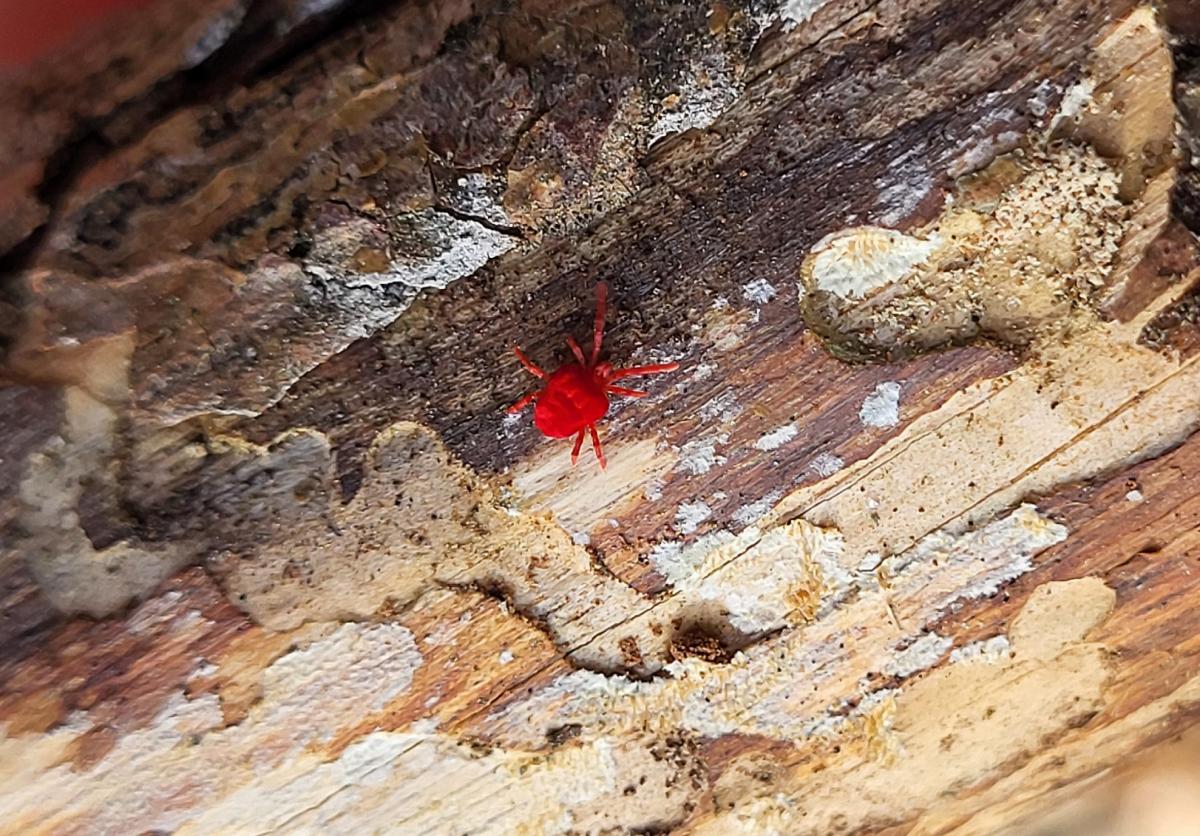
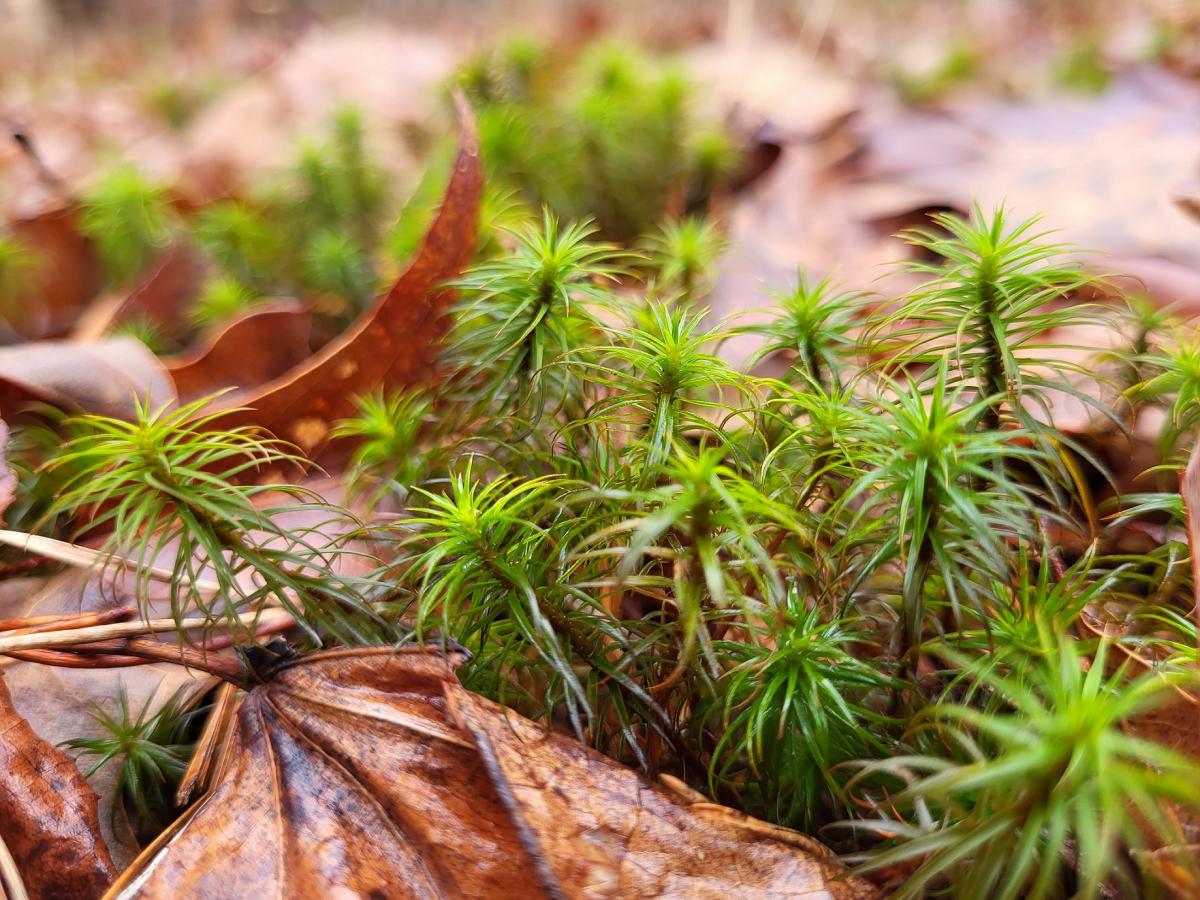
 Last week, we asked you about haircap moss (Polytrichum spp.). There are three species of Polytrichum reported for Caroline County and they may be differentiated by the color of the leaf tips. This moss is relatively abundant in the woods and along the streambanks at Adkins. Polytrichum mosses are endohydric, which means they conduct water from the base of the plant, even though they are classified as non-vascular plants. These haircap mosses also have a unique photosynthetic structure and arrangement that allow it to minimize water loss in dry conditions. Mosses may be small, but they offer so much to the ecosystem and provide habitat for a variety of small invertebrates. #adkinsarboretum #mysterymonday #haircapmoss #forestfloor #winterinterest #mysterymoss #mysterycritter
 Adkins Mystery Monday is sponsored by the Spy Newspapers and Adkins Arboretum. For more information go