
MENU

Sections

  • About Us
    • Editors and Writers
    • Sponsorship Terms & Conditions
    • Code of Ethics
    • Sign Up for Cambridge Spy Daily Email Blast
  • The Arts and Design
  • Culture and Local Life
  • Food & Garden
  • Public Affairs
    • Commerce
    • Health
    • Ecosystem
    • Education
    • Senior Nation
  • Point of View
  • Chestertown Spy
  • Talbot Spy

More

  • Support the Spy
  • About Spy Community Media
  • Advertising with the Spy
  • Subscribe
December 8, 2025

Cambridge Spy

Nonpartisan and Education-based News for Cambridge

  • About Us
    • Editors and Writers
    • Sponsorship Terms & Conditions
    • Code of Ethics
    • Sign Up for Cambridge Spy Daily Email Blast
  • The Arts and Design
  • Culture and Local Life
  • Food & Garden
  • Public Affairs
    • Commerce
    • Health
    • Ecosystem
    • Education
    • Senior Nation
  • Point of View
  • Chestertown Spy
  • Talbot Spy
1 Homepage Slider Local Life Food Friday

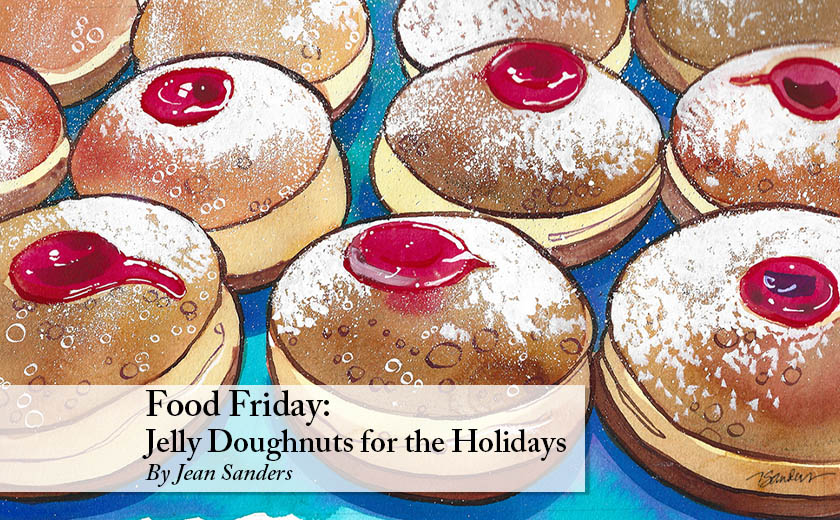
Food Friday: Jelly Doughnuts for the Holidays

December 8, 2023 by Jean Sanders
Leave a Comment

Sweets to the sweet. Other food sites are touting the Puritan virtues of warm, homemade soup this week. The Washington Post is pushing ruffage and turnips, for heaven’s sake. Not us. The Spy is all about embracing culture and joy; food and warmth. This week is the perfect time to celebrate Hanukkah with some delicious homemade doughnuts.

Every fall I try to make earnest cider doughnuts; to briskly turn the page on summer and embrace the autumnal – basically I pretend that I have just picked apples and returned home from a hay ride. Which is nonsense. I once picked crabapples in the Hammett’s back yard on Leonard Street, which I promptly ate, and I have never once gone on a hay ride. What I do remember is sleeping over at Sheila’s house in middle school, and her saintly father trudging out for fresh doughnuts for us girls on Sunday mornings. He brought back boxes of freshly glazed doughnuts, crunchy with sheets of sugar. And cloud-like jelly doughnuts, adrift with billows of confectioners sugar. Ah, bliss.

What are ritual foods if they don’t make us time travel to happy moments? Much has been written about the chic and delicate French Madeleines, but what about the humble jelly doughnut? Every one of us who has ever eaten a jelly doughnut can remember oozed jelly on our shirtfronts – not exactly transformational. Jelly doughnuts are the cosmic pratfall of sweets compared to the Madeleine – not the stuff of French literature. The Madeleine moment, as evoked by the taste of a delicate cake-like cookie, is fleeting. Jelly doughnuts bring to mind an entire holiday. It is a raucous family celebration. Jelly doughnuts cover us with joy.

During the Civil War the ladies of Augusta, Maine sent soldiers of the Third Volunteer Regiment off to war with a feast of fifty bushels of doughnuts, as was breathlessly reported: “Never before was such an aggregate of doughnuts since the world began. … The display of doughnuts beggared description. There was the molasses doughnut and the sugar doughnut – the long doughnut and the short doughnut – the round doughnut and the square doughnut … the straight solid doughnut and the circular doughnut, with a hole in the centre. … It was emphatically a feast of doughnuts, if not a flow of soul.”

Fried dough has been around forever. Every culture has experimented with shapes and flavors and methodology. Doughnuts arrived in New Amsterdam in the form of “oily cakes”, courtesy of the Dutch settlers. Later, a ship captain’s mother made deep-fried dough cakes, which could be stored for a long voyages, and she flavored them with cinnamon, lemon rind and nutmeg. She added nuts to the center of the cakes, dough nuts. Her son, the sea captain, claimed to have invented the doughnut hole; they were a busy, innovative pair. Today, in the United States alone, about 10 billion doughnuts are made every year. Wowser.

Here is an amusing video about fried dough and doughnuts: Doughnut History

Popular traditional foods for Hanukkah are brisket, latkes, kugel and jelly doughnuts, or sufganiyot. The doughnuts help us to remember the miracle of the oil that burned miraculously for eight nights. Today, Hanukkah celebrations feature both commercial and homemade jelly doughnuts — tributes to that single cruse of oil that lasted eight days. What a miracle!

Give me a good store-bought doughnut. I love watching doughnuts being made, don’t you? There is comfort in driving through a town and seeing a HOT NOW light on in a store front window. But I can’t serve Krispy Kreme doughnuts for the holidays. I can only scarf them down on road trips. Luckily, once again, I have fallen in love with fantastic Instagram reel and will be making my own: Homemade Jelly Doughnuts I hope you do, too!

Happy Hanukkah!

“Donuts! Is there anything they can’t do?”
–Homer Simpson

The Spy Newspapers may periodically employ the assistance of artificial intelligence (AI) to enhance the clarity and accuracy of our content.

Filed Under: 1 Homepage Slider, Food Friday

An Artist’s Journey: Cambridge’s Theresa Knight McFadden

December 6, 2023 by Tammy Vitale
2 Comments

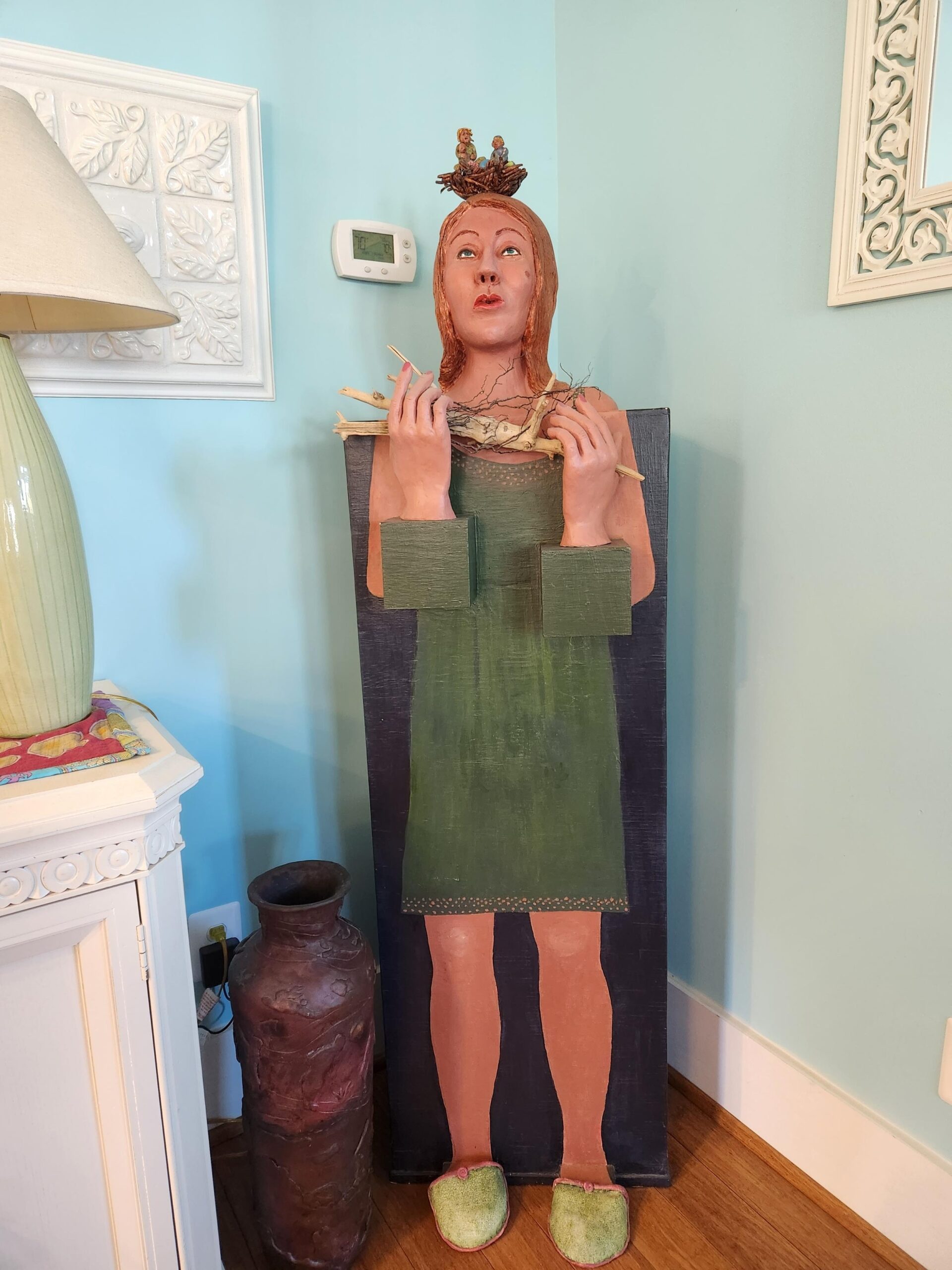
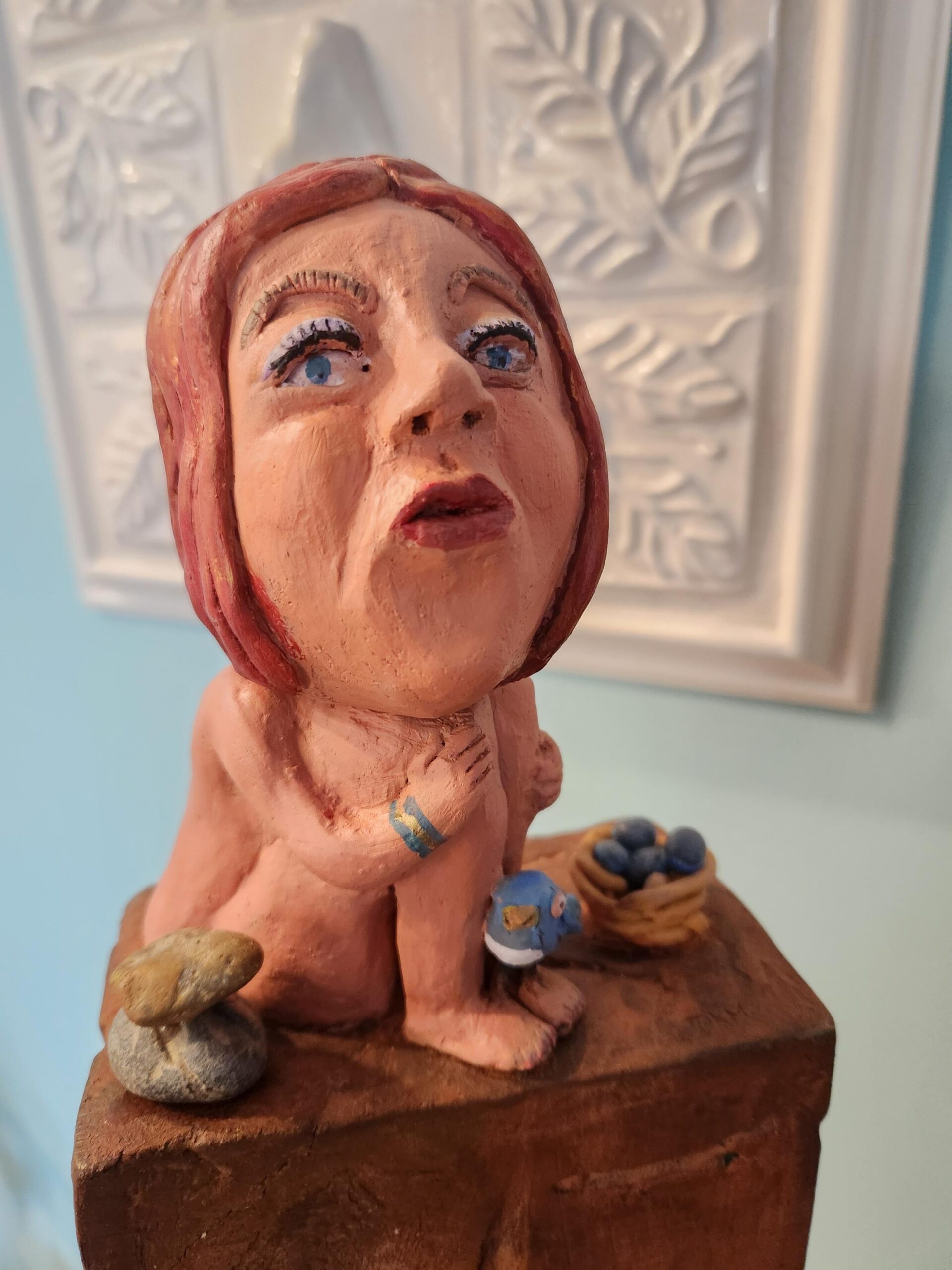
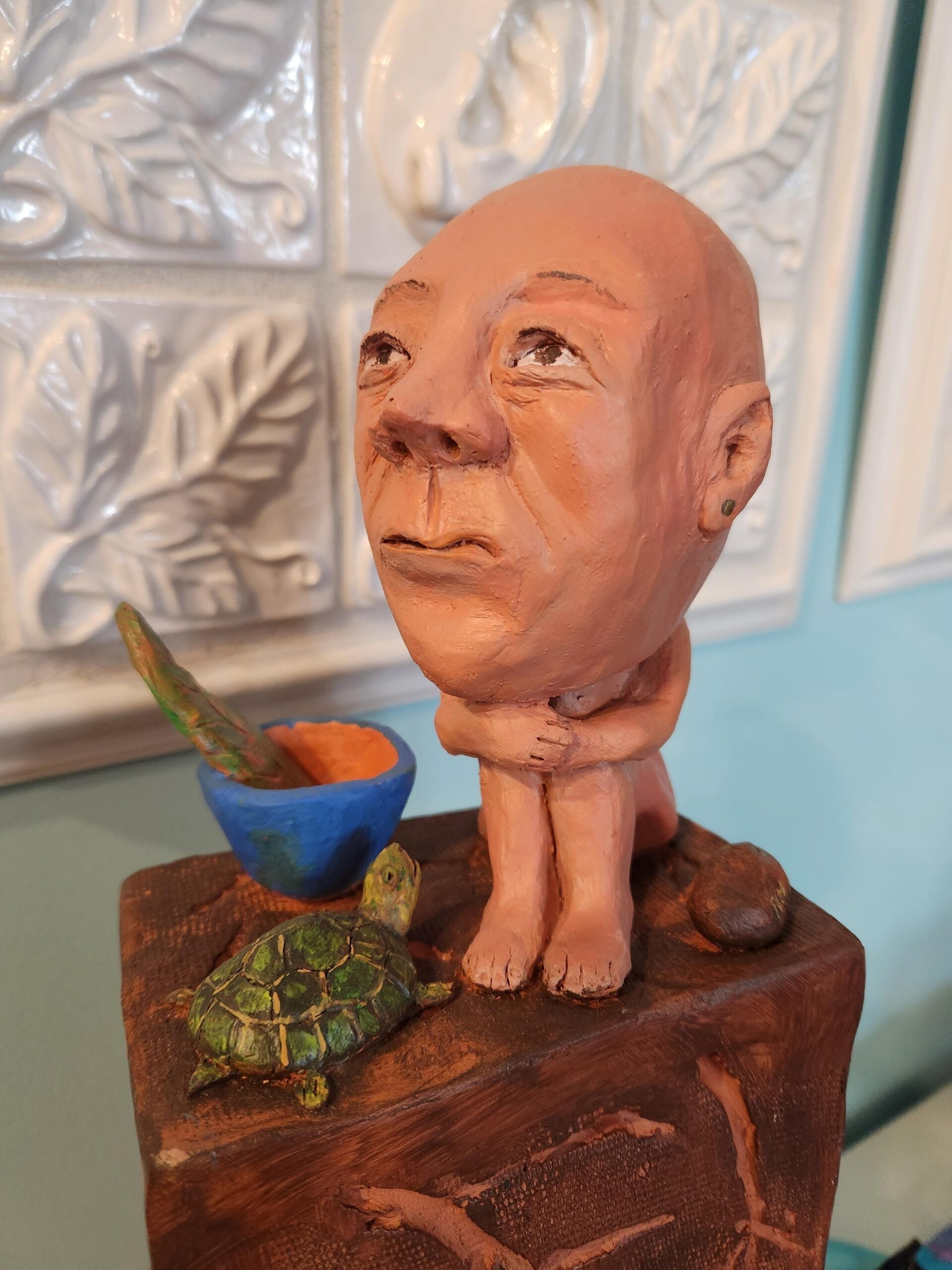
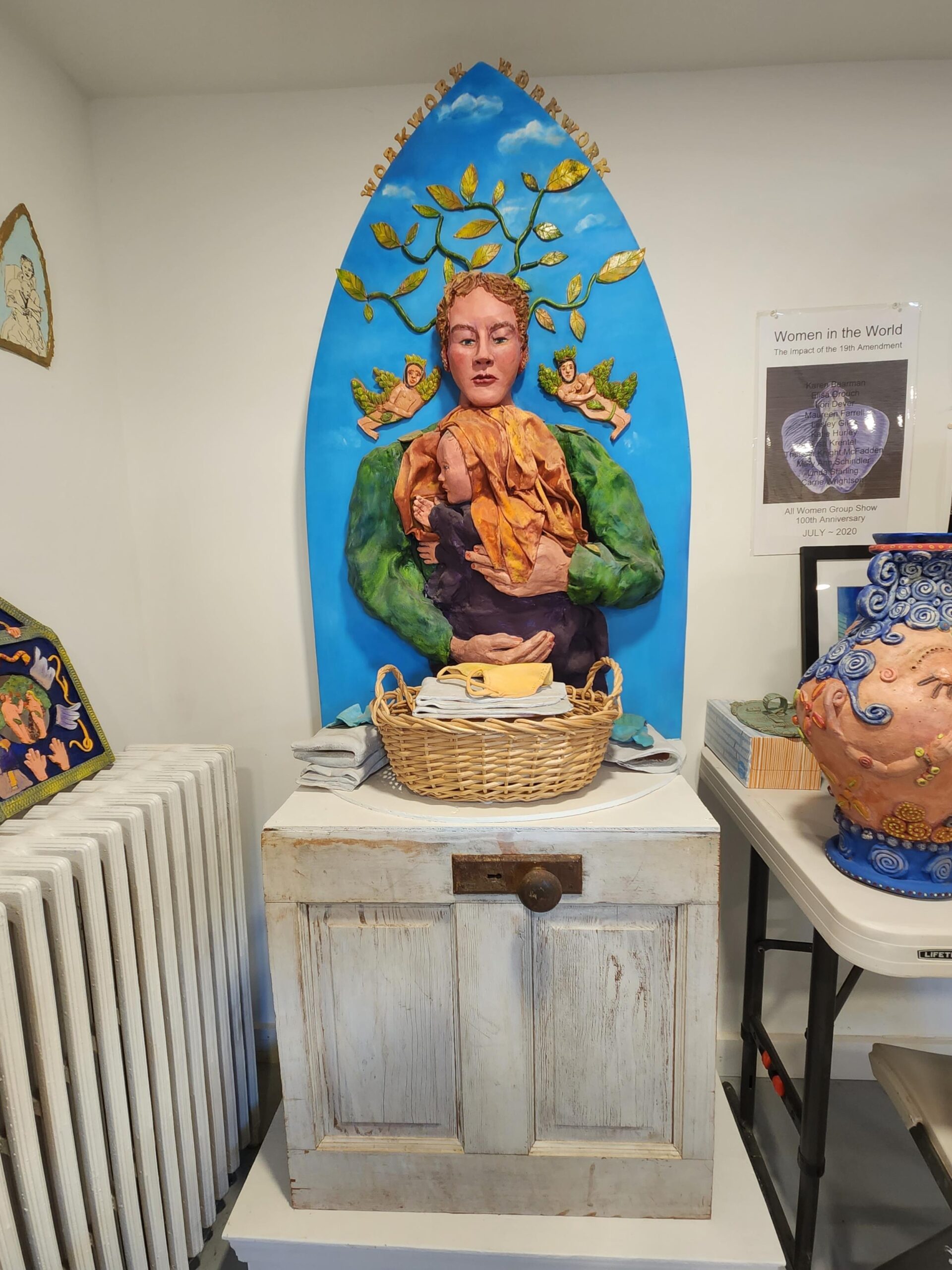
Theresa Knight McFadden’s life as an artist is a great guide for making art while making a living, something many artists aspire to.  She is also an example of how getting to that doesn’t have to take a straight path.

Knight McFadden notes that from the time she was tiny, she was pulled to make things.  The Catholic schools she attended growing up did not offer much in the way of arts training and by high school “I had lost my confidence in my ability to make art,” so she turned to her second favorite subject, English.  When she found no art being offered at George Mason University in Virginia, she decided to focus on writing.

For ten years, freelance writing, and eventually writing for National Geographic World (the children’s magazine of National Geographic) let her follow her creativity after marriage during college and one child by the time she graduated. Yet she still yearned to make art.

To that end, she enrolled in art classes at Northern Virginia Community College (NOVA), the local community college and realized, “This is what I really want.”   After she had earned her associate in arts degree, her teacher, Michael Platt, asked her when she was going to graduate school in art. Until that point, Knight McFadden had assumed that one needed an undergraduate degree in art to continue to an arts degree at the graduate level, but Platt told her to assemble a portfolio and that he would write a letter of support for her, and that was how she found herself accepted to the University of Maryland’s MFA program. 

At UMd, McFadden Knight found that “going to graduate school in art was like being in a fantasy world because everyone around you had arts as their number one interest and priority which was very freeing for me. Their program encouraged you to follow your own path and discover your own artistic voice.” 

After earning her MFA degree, she returned to NOVA to teach, and continued her artistic pursuits alongside her teaching duties.  

Knight McFadden painted large pieces, and entered one such piece, “A New Way to Fly”, measuring about 83” tall x 59” wide, and shaped like a “T” in the NOVA faculty arts show.  Prior to the faculty show, the piece had been shown in Richmond VA and had been praised by the Washington Post as “bold and sassy.” 

The piece shows a nude woman floating in air down into a town, her figure Rubenesque, voluptuous, arms gone like a Greek statue.  “She was not portrayed as beautiful, and was meant as a tribute to female empowerment.”  The piece was hung in the foyer in such a way that it faced the heavily traveled Route 7 corridor to the campus in Loudoun County, VA.  Some people found the painting controversial from the start and gathered petition signatures for its removal.  

The Provost, Neil Reynolds, upon receiving the petition, suggested that Knight McFadden offer to give a talk on the painting.  While she declined, feeling no need to defend herself by giving an individual talk, she did agree to join the other faulty artists in presenting talks about their work as a group.  

In a November 12, 1994 issue, Post writers, Rajiv Ch and rasekarn covered the controversy:

Since it was put up a week ago, the painting has been the foremost topic of conversation on the 4,000-student campus near Sterling. Some classes have spent entire 60-minute periods debating the work’s merits. And more than 60 students crowded into the foyer for a discussion with McFadden and top college officials Thursday afternoon.

Provost Neil Reynolds said he told students at the meeting that removing the painting would be a blow to freedom of expression. “Is it illegal? Is it obscene? Is it vulgar? No, it isn’t,” Reynolds said yesterday. “Do some people not like it? Yes. But that’s no reason for us to take it down.”

Beverly Blois, chairman of the college’s humanities division said, “It’s been the liveliest and most spirited discussion of anything related to academics we’ve had in a long time.” And the painting remains to this day at the Loudoun campus, bought from Knight McFadden and donated to the campus’s permanent collection by Blois.

Knight McFadden eventually took on teaching ceramics at the Annandale campus of NOVA and remained there for 23 years.  While her degree was in painting, she notes, “the best way to learn an art is to teach it.”  She retains the title Professor Emeritus for her work there.

Her love of the figurative remains in her ceramic work.  Her process begins with sketches, “letting my mind wander, getting to that ‘twilight’ space you sometimes get going to sleep or upon waking, where images reveal themselves.  Sometimes I know where I’m going and sometimes I don’t.  Then I rely on my intuition and following the impulse.”

Knight McFadden and her family came to Cambridge as the second deepest port (the first is Baltimore) on the Chesapeake Bay, perfect for sailing.  She notes the town was somewhat blighted when they first came in the 2000s but “it is getting better.  What struck us was the wonderful people – we have more friends in Cambridge than anywhere else.”

She joined Main Street Gallery (MSG), the local arts co-op in 2011. “We have fun here. I’ve always liked the art better here, too, funkier and less traditional than much Eastern Shore art.  As an artist and member of Main Street Gallery, I am very interested in the health of our downtown arts scene. “ To that end, Knight McFadden recently volunteered for and was appointed to the renewed Arts and Entertainment Committee of Cambridge, and says, “I hope I can lend whatever insight and expertise I have To the Arts and Entertainment Committee to help build a bigger and even better arts’ scene in Cambridge.”

Tammy Vitale has spent many years of her life regularly visiting the Eastern Shore, and moved to Cambridge in early 2023. An artist herself, she has fallen in love with all the facets of art available in Cambridge/Dorchester County, and wants the rest of the world to get to know and love the arts and artists of this area as much as she does. Cambridge practioners of the arts are invited to contact her [email protected], subject line “Arts.”


The Spy Newspapers may periodically employ the assistance of artificial intelligence (AI) to enhance the clarity and accuracy of our content.

Filed Under: 1 Homepage Slider, Cambridge

The Brrrrridge by Maria Wood

December 6, 2023 by Maria Wood
Leave a Comment

This isn’t easy for me to admit: I grew up in Centreville, and I’ve been a confident Bay Bridge driver all my life. Until a year ago, that is, when at the end of a long drive home from another state, I had a sudden, full blown panic attack on the eastbound span late at night. I crept across dangerously slowly, trying desperately to breathe while chanting semi-hysterically, “You can do it, you’re almost there, you can do it.” I didn’t believe a word of it. Along with heart-stoppingly terrified, I felt flabbergasted and bewildered. Where did this come from?? I love bridges, especially this one. The Bay is so pretty! You can see so far! Look at the boats and the birds and the wind on the water! What demon force has frozen the blood in my veins? 

I managed a few crossings with great difficulty over the winter, but in March I found myself stuck on the shoulder of Rte. 50, a few hundred feet east of Exit 32—in other words, just beyond the point of no return. I’d had a head-on collision with a wall of panic far more sturdy than the sketchy guardrails on the bridge. To my great shame and disbelief, I sat frozen in my car all night, utterly paralyzed with the fear. 

After an hour or two, a living breathing saint in the unlikely form of a state trooper stopped to find out what was going on. Officer Kahn extended compassion and empathy as I stammered through an explanation for loitering on the side of the road in the middle of the night. He guided me to a safer parking spot, where I could gather my wits and try to find my way out of my dilemma. 

There I sat for several hours, feeling ridiculous, alternately psyching myself up to do this simple thing that I’ve done thousands of times and knowing without a doubt that if I get up onto that bridge, the side rails will close in and I will definitely die, taking all the other drivers with me.

At sunrise, Officer Kahn even offered to escort me across the bridge before the end of his shift. I convinced myself I could make it if I kept my eyes locked on his taillights and pretended I was on a regular road, but halfway up the dog legged ramp at the beginning of the bridge, I froze, and hit the brakes again. Even my guardian angel looked a little frustrated as he radioed to request a lane closure, and a tow truck. I haven’t attempted the trip since. 

I can still drive myself from Kent Island to the Western Shore without a hitch. It’s the eastbound span that’s the horror show for me: It’s only two lanes wide, it’s got that cursed curve as you head up the incline—and now it’s under construction until at least 2025! So, not only does the ever-changing maze of barrels and reflectors and lane closures add a psychedelic funhouse vibe to the trip, it also triggers insidious questions about those flimsy guardrails, and corrosion, and 1950s building codes. Nighttime is the worst, what with approximately 85 billion reflectors and randomly flashing arrows scattered on the roadway like sequins on prom night, blinding work lights focused directly at your windshield, and impatient tractor trailers in the rearview. 

I can’t live here and not be able to drive home from Annapolis, so I’m bound and determined to overcome the phobia. Luckily, I’m fine as a passenger in either direction— especially armed with with beta blockers to help prevent the panic from breeding more panic. I’ve devised a sort of ad hoc recovery program, diligently catching rides to the Western Shore with trustworthy friends as often as I can, in order to build up a nice big hoard of positive bridge experiences to quell the feedback cycle of fear. 

I think it’s helping. My next step is to find someone willing to loop back and forth across the bridge on some auspicious afternoon as many times as we can stand it. Maybe if it goes well I’ll even try taking the wheel. Or maybe that will wait for another day. I need to conquer it, and I believe I can—otherwise I’ll have to move to a different state. 

As bewildering and shocking as my new terror is for me, I realize that I’m far from alone. In the past, I gave people with the dreaded William Preston Lane Phobia a smugly pitying side-eye and no sympathy, but now that I’ve joined the ranks of the white-knuckled hyperventilators, I find fellow phobics everywhere. Twas ever thus, but Maddie, a young woman who drives people across the bridge for a fee, suspects it’s gotten worse lately. She floated a theory in Christine Tkacik’s bridge phobia story in the Baltimore Banner a few months ago: “A lot of people’s mental health got worse after COVID.” Ain’t that the truth! 

I have no doubt that, for me at least, this shiny new fear is an unexpected side-effect of the pandemic. Maybe I got out of practice at high-intensity driving. Maybe I lost faith in the solidity of realities I’ve always trusted, and the Bay Bridge got swept up in that. Mental health in general, as Maddie notes, has grown shakier for almost everyone. This fact is visible all around us, manifested in different ways and to different degrees for everyone. Maybe bridge fear is just my nervous system’s cute little way of acting out my covid trauma. 

Whatever the reason, it’s a major impediment to life on the Eastern Shore. Growing up in Queen Anne’s County, the bridge represented freedom, options, all the glittering possibilities of a life beyond cornfields and insular small towns. The bridge was the road to excitement: ideas, dreams, culture—shopping! We’re much less isolated over here today, but the constraints of life on this side of the bay are still significant. Access to employment, to health care, to many essentials and conveniences often means crossing the bridge. Even traveling in the wider world often begins with driving over the bay—that’s where the airports are. With public transportation minimal throughout most of Maryland and essentially nonexistent on the Eastern Shore—including services like Uber—if you can’t drive yourself across the Bay Bridge, you’re missing a level of autonomy that most adults take for granted. 

The state used to help anxious drivers across the bridge, a practice I wish they would resume, for people who can’t afford the $40 a pop it costs for a commercial service like Maddie’s. It could be great if there were other low-cost resources to help people overcome bridge anxiety, too. How about classes, and maybe special “anxious driver” events where bridge traffic could be calmed and supervised and 18-wheelers were prohibited, so people could try it in gentler conditions, with rescue drivers available. I also wish there were a ferry, and a train, and regular bus routes across the bay, all of which would be enormously helpful to bridge-phobics, and would help ease the brutal bridge traffic that literally traps people in their homes on Kent Island. 

If one of the world’s scariest bridges is going to be the sole lifeline connecting the two halves of our state, I think we ought to help people get across it. 

The Spy Newspapers may periodically employ the assistance of artificial intelligence (AI) to enhance the clarity and accuracy of our content.

Filed Under: 1 Homepage Slider, Spy Highlights

Mid-Shore History: The Phillips Packing Company Strike of 1937

December 4, 2023 by P. Ryan Anthony
Leave a Comment

Phillips Packing Company was the economic powerhouse in Cambridge, Maryland, in June 1937, when around 2,000 employees went on strike. The workers, both black and white, demanded better pay, better hours, and the right to form a union.

The protest led to violent confrontations between the strikers and armed representatives of the company. Then the police got involved, and there were injuries, arrests, and one death.

The workers and their union backers rejected the company president’s offer of a meager pay increase, but Phillips’ cunning legal gambits finally wore the employees down. The merciless end of the strike brought no resolution to the economic and social inequalities in Cambridge, and the door was left open to civil unrest.

This video is approximately five minutes in length.

The Spy Newspapers may periodically employ the assistance of artificial intelligence (AI) to enhance the clarity and accuracy of our content.

Filed Under: 1 Homepage Slider, Cambridge, Spy Chats

Suggestible You by Laura J. Oliver

December 3, 2023 by Laura J. Oliver
1 Comment

The future is influenced by what you remember. 

It is decided by what you believe.

I have a story to tell you. 

In 1944, as Allied forces stormed the beaches in southern Italy, Dr. Henry Beecher, a graduate of Harvard Medical School and Chief of Anesthesiology at Massachusetts General, was serving at a military base hospital. Overwhelming casualties had depleted medical supplies. When Dr. Beecher realized there was no morphine left to anesthetize a soldier before a surgical procedure, he told the soldier he was injecting him with morphine but injected him with saline instead.  

To Dr. Beecher’s astonishment, the soldier relaxed exactly as if he’d received anesthesia and, more importantly, and significantly, withstood the procedure without any painkiller and without going into shock. 

While no written document verifies this anecdote, Dr. Beecher’s colleagues said it was mostly likely true as the facts that follow are well established. After the war, Dr. Beecher returned to Harvard intrigued by witnessing the power of the mind over the body and began researching the possibilities in earnest. In 1955, he published “The Powerful Placebo” in the Journal of the American Medical Association. He has been known as “the father of the placebo effect” ever since.  

Today, the majority of drugs that fail in late-stage trials, after Big Pharma has spent millions of dollars on their development, fail because they can’t beat the power of belief alone. Now the gold standard in drug testing, the placebo effect demonstrates a significant number of subjects will get well simply because they believe they are going to get well. 

So, it turns out that Rudyard Kipling was both prescient and correct when, in 1923, he said in a speech to the Royal College of Surgeons in London, “Words are the most powerful drug known to mankind. They enter into, and color, the minutest cells of the brain.” 

Words are so powerful they can affect you even on a subliminal level. In 1982, Dr. Lloyd Silverman, a New York research psychologist at the Veterans Administration Regional Office, ran a newspaper ad offering free desensitization for people with insect phobias. Twenty women responded. After dividing the women into two groups, Silverman exposed them to photos of roaches, bees, centipedes, and spiders. Using a tachistoscope, an instrument that flashes images or words across a subject’s visual field so quickly they are not consciously discernible, Silverman interspersed the photos in each group with a sentence flashed on the screen for 4 milliseconds. The control group subconsciously absorbed the totally neutral sentence, “People are walking.” Without knowing they had seen it, the experimental group had read, “Mommy and I are one.” 

The group subliminally absorbing the phrase “Mommy and I are one” had a significantly higher success rate at becoming desensitized. Later, researchers replicated the results, and Silverman found that the phrase “Mommy and I are one” also led to greater success with those quitting smoking and in weight loss programs. Apparently, feeling safe and protected is empowering and transforming. 

The power of words.

When my kids were young and became ill, instead of interpreting fever as a sign of illness, I told them it was a sign they were already getting well. “You have a fever?” I’d say, my cheek grazing a small, hot forehead. I’d sit down on the bed, surrounded by posters of rock groups and runners (Steve Prefontaine: “To do less than your best is to sacrifice the gift”), and say, “That’s actually good news! Your body has marshaled forces! Right this minute, it’s working to make you well. I’ll bet you’ll be fine by morning.” It often worked. And when it didn’t, we saw the pediatrician. But we placed our attention on health, not illness, and it seemed to have an effect. 

When I accidentally crack a kneecap on the pine coffee table by the fireplace, I tell myself the pain has already faded at the moment of injury. I sit down on the hearth, the crackling fire at my back, and I can feel the pain immediately dissipate. The brain is an expectation machine. It believes what you tell it, and it even interprets body language. 

When you smile, even for no reason, even just because you are holding a pencil between your teeth, your brain takes in the message that something good must be happening, and you feel better. 

Everything is story, and your brain has evolved to respond to it. When I began this column, I said I had a story to tell you and when you read those words, your brain released a small surge of endorphins in the belief intriguing information was on its way. So, I start every day with story. You could call it prayer as well. Either way, it is the power of words at work. 

After expressing my gratitude very specifically for the gifts of the day before and for the innumerable gifts of this life, like you, I offer up a story about the next 8 hours as if they have already happened. I am specific and positive; I work from a basis of good intention and goodwill. I write the story down. I write of editing 100 pages of a manuscript, getting across the Bay Bridge without delay, and having a laughter-filled lunch with a friend I love. I imagine healing sent to those deeply challenged at the moment, of a new client call in which we both hang up utterly delighted at the obvious potential in our collaboration. 

You get the idea. At least, I hope you do. I hope you experiment as well. I hope you use the power of words today. I am.

Smile. You are going to have a marvelous morning; you will accomplish all you hoped to accomplish and have a surprisingly delightful amount of time for sheer entertainment this afternoon. You will receive a flash of insight about a problem you’ve been harboring that releases all energy from it, and your unconditional joy will radiate from the inside out all day. You are, in fact, a magnet for miracles.

Don’t believe me? 

Sometimes, you can throw open the cell door, and the prisoner won’t budge. And sometimes, new ideas are met with resistance bordering on hostility. And to that, I say this: 

Mommy and I are one.   

Laura J. Oliver is an award-winning developmental book editor and writing coach, who has taught writing at the University of Maryland and St. John’s College. She is the author of The Story Within (Penguin Random House). Co-creator of The Writing Intensive at St. John’s College, she is the recipient of a Maryland State Arts Council Individual Artist Award in Fiction, an Anne Arundel County Arts Council Literary Arts Award winner, a two-time Glimmer Train Short Fiction finalist, and her work has been nominated for a Pushcart Prize. Her website can be found here.


The Spy Newspapers may periodically employ the assistance of artificial intelligence (AI) to enhance the clarity and accuracy of our content.

Filed Under: 1 Homepage Slider, 3 Top Story, Laura

Food Friday: Life is Short, Eat Cookies!

December 1, 2023 by Jean Sanders
Leave a Comment

2023 is spinning away from us, and zipping by so fast! I just ate the last of the leftover Thanksgiving turkey for my lunchtime sandwich today, and now I have to start thinking about holiday cookies. Hanukkah is in a week, and all the Yuletide revelries and First Nights and Lunches with Santa start momentarily. This weekend is a good time to start getting ahead of yourself, and bake a couple of batches of your signature cookies. Monday in National Cookie Day, so for once we are ahead of the game.

I always get too ambitious, and think that I will tirelessly bake batches and batches of adorable Christmas cookies. I have such an amusing fantasy life! There are no children at home here, just Mr. Sanders and me, and Luke the wonder dog. And yet I persist in believing I am preparing for the competitive Annual Sewall’s Point Cookie Swap, or Ms. Backnick’s Fourth Grade Holiday Party. It might be time to cut back.

Where to turn this year? Everything Martha bakes looks so beautiful and uniform, and intimidating; crafted by CIA professionals, but this year I have also become acquainted with Dorie Greenspan. There is alway our favorite Julia Child to consider, and our friends at Food52. The New York Times is producing a week of cookie recipes in a newsletter format, and then there are the new young folks cooking and baking up a storm on Instagram and TikTok. Whew. December is just not long enough for all the baking we can do – while we are decking the halls, celebrating Hanukkah, and cleaning up from Thanksgiving.

Plus, there are store-bought cookies. We ran through a Trader Joe’s on our Thanksgiving trip. You could make a feast that Charlie Bucket would yearn for with all the cookies and sweets available at Trader Joe’s: Peppermint Meringues, Dark Chocolate Covered Peppermint Joe Joe’s, Ginger Cookie Thins, Lebkuchen cookies, Mini Gingerbread People, Decked Out Tree Cookies and and all that Peppermint Bark. It is good for my waistline that we live two hours away from Trader Joe’s, and I have to rely on my own baking skills. If you live near a nice bakery, consider yourself lucky, and try to buy local and support small businesses. We are rationing the Dark Peppermint Joe Joes, and treat ourselves to one a day. I am sorry, but Mr. Sanders and I will not be sharing. We even hid them from our grandchildren at Thanksgiving. Shhh!

It is easy to get overwhelmed with the myriad holiday recipes in Bon Appetit, Epicurious, the Washington Post, Ina Garten and others. It is important to pace yourself. I usually like to bake my mother’s ginger snaps first, because they are simple and fragrant. The house suddenly smells like the house I grew up in. I can sit down at the kitchen table with a plate of warm ginger snaps, and a glass of milk, and be the eight-year-old me again. The magic of Christmas.

I always admire the folks who find all the cute baking supplies, too. I love the fluted paper, the shiny cellophane, the dragées and the colorful jimmies, hundreds and thousands nonpareils, and seasonal sprinkles.

Make something pretty. Make something that reminds you of your mother. When I was little we made some iced sugar cookies with my mother every year. I’d wear one of her aprons and stand on a wobbly red wooden stool at the kitchen table, rolling and cutting and slathering on the confectioner’s sugar icing. And then I made the same cookies, with the same cookies cutters, with my children. All the cookies were hideous, because we mixed icing colors together and got sky blue pink, and grays, and purples. Totally unappetizing to gaze upon, but they were delicious, and very sweet, though fleeting, moments together. Let’s make the world a sweeter, more colorful place again this year.

Nowadays you can find everything you want by way of cookie decorating supplies at Amazon – which makes the process completely devoid of romance. But there you have it – plain, prosaic practicality: Cookie Supplies

I’ve never been to this place in New York City, but I have heard great things about the sheer number of its supplies: NYCake

This are my mother’s plain, unadorned, pure and simple Gingersnaps. I haul the recipe out every year, and so should you:

My favorite cookie is the humble gingersnap. Gingersnaps are among the most versatile of cookies. They taste deelish warm from the oven, cold in a lunch bag, and are still not too bad when they are stale. These are simple, round and wholesome.

Gingersnap Cookies:
3/4 cup unsalted butter, room temp
1/2 cup dark brown sugar (pack it into the measuring cup)
1/2 cup granulated sugar
1/4 cup molasses
1 large egg
1/2 teaspoon pure vanilla extract
2 cups all purpose flour
1/2 teaspoon baking soda
1/4 teaspoon salt
1
1/2 teaspoons ground cinnamon
2 teaspoons ground ginger
1/2 teaspoon ground cloves

For dusting the cookies:
1 cup granulated white sugar

Preheat the oven to 350°F. Line baking sheets with parchment paper.
Beat the butter and sugars until light and fluffy, I use an electric mixer. Add the molasses, egg, and vanilla extract and beat until well-mixed. In a separate bowl whisk together the flour, baking soda, salt, and spices. Add the flour mixture to the butter mixture and mix well. Cover the bowl with Saran Wrap and chill it in the fridge for about half an hour, until it is firm.

Fill a little bowl with the cup (or thereabouts) of granulated sugar. When the dough is nice and chilly, roll it into 1-inch balls. Then drop and roll the balls of dough in the sugar, this is the best point for expecting kid interaction and assistance. Put the dough balls on the baking sheets, and use a small flat-bottomed glass to flatten the balls. Sometimes you will need to dip the glass back into the sugar to maintain the right amount of crunchy, sugary goodness. Do not squash them too thin, or the cookies will get too dark and brittle. Bake for about 12 – 15 minutes. Cool on a wire rack.

Food52, which will never steer your wrong, has Bazillions of Cookie Recipes.

Martha will drive you nuts with her perfectionism, and you will undoubtedly have the prettiest cookies at the Cookie Swap

These are sophisticated and are suitable for your grownup friends:
Vanilla Bean Sablés

And if you just can’t decide, Sally will undoubtedly have a cookie for Santa: Sally’s Baking

“She stuck her head out and took a deep breath. If she could eat the cold air, she would. She thought cold snaps were like cookies, like gingersnaps. In her mind they were made with white chocolate chunks and had a cool, brittle vanilla frosting. They melted like snow in her mouth, turning creamy and warm.”
― Sarah Addison Allen

The Spy Newspapers may periodically employ the assistance of artificial intelligence (AI) to enhance the clarity and accuracy of our content.

Filed Under: 1 Homepage Slider

CBMM Becomes More Welcoming: Celebrating a New Welcome Center in St. Michaels

November 29, 2023 by Val Cavalheri
Leave a Comment

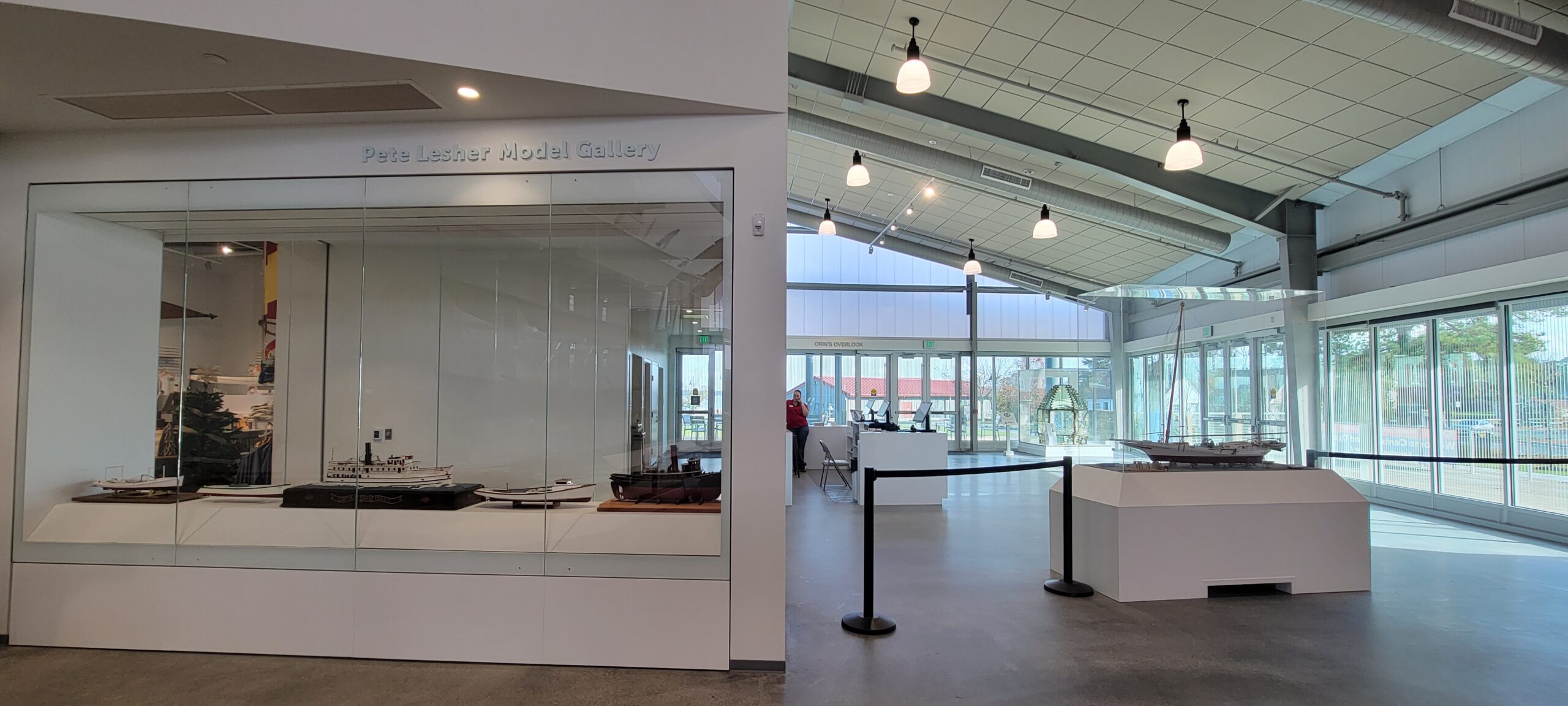
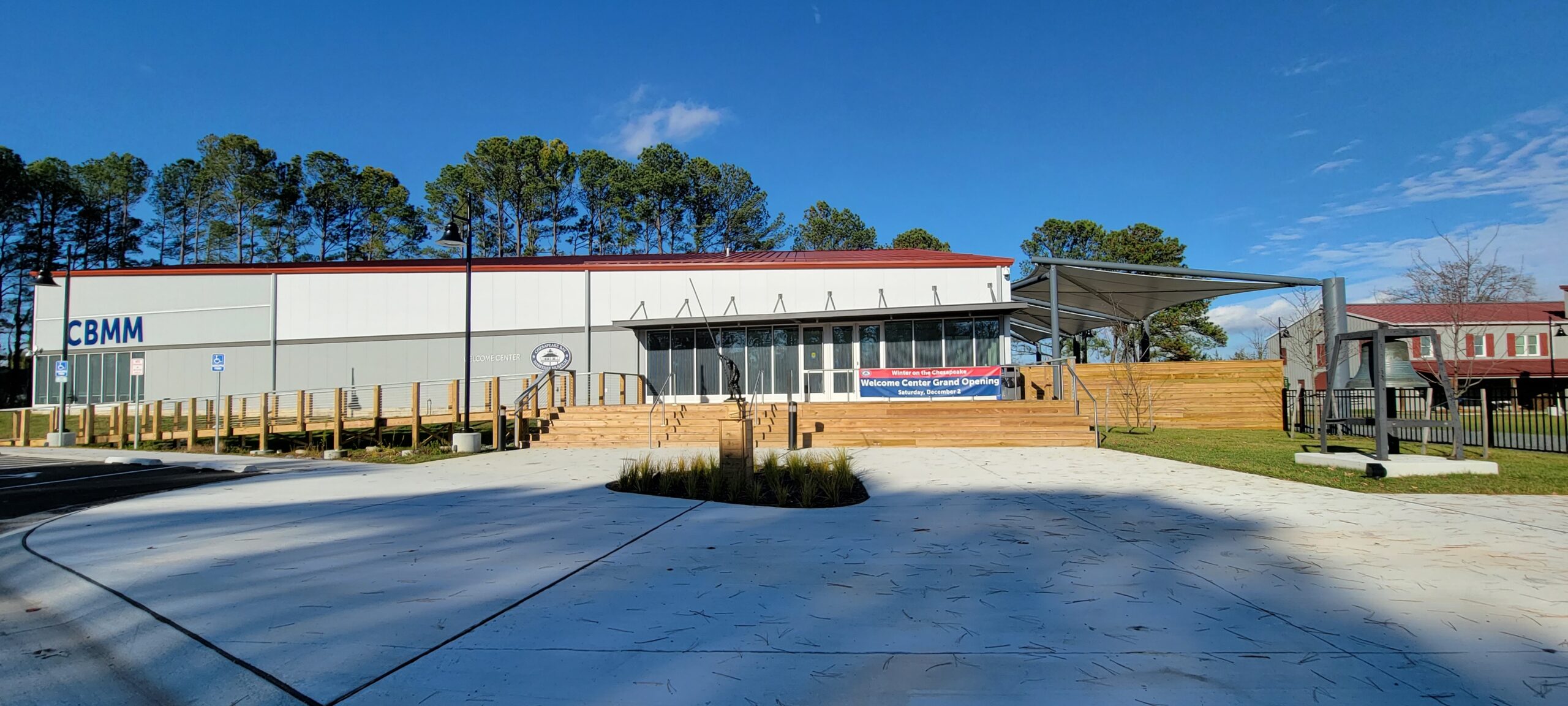
After years of planning (and generous philanthropic contributions), the building is ready for the ribbon-cutting celebration that will take place this Saturday. The Center, which broke ground in the summer of 2022, marked the beginning of a project to transform the museum’s campus to include the Museum Store and three exhibition spaces in this sleek and modern structure. With a soft opening last month, the building has already played a pivotal role in CBMM’s fall festivals, with much more to come.

The Spy met with Exhibition Designer Jim Koerner, VP of Engagement Shannon Mitchell, and Director of Curatorial Affairs and Exhibitions Jen Dolde to discuss some of the innovations and historical aspects of this new space and the festivities planned for this weekend.

Built on the Fogg’s Landing side of campus, the structure is strategically attached to a parking lot. “Previously, when you visited, it would be pretty challenging to find where to go, to enter the museum,” Mitchell said. The Welcome Center addresses this concern, providing a seamless transition for visitors right off the parking lot. It also aligns with CBMM’s thematic storytelling approach, with the building being the opening chapter—the orientation. 

As guests enter the Welcome Center, they will step onto a floor map of the Chesapeake Bay and a third-order Fresnel lens (before the use of GPS, it led the mariner from one point to another along the coast.) This will “guide” visitors through the reception area to the exhibitions. Said Dolde, “Each of these exhibits is connected to the other, and we see them both as separate and as part of a whole.”  

The first one guests will come across is titled Navigating the Chesapeake’s Maritime Culture. Using CBMM’s oral history collection, photographs, and artifacts, it displays the Chesapeake as a maritime highway, habitat, and resource for the fisheries within a changing and constantly evolving community. 

Dolde spoke about how these themes serve as the foundation for the entire museum, guiding the reinterpretation of existing exhibitions and creating new ones. She also highlighted the importance of including diverse and underrepresented stories. “There’s tradition, there’s innovation, and there is the Chesapeake as a source of inspiration and identity.”

Walking further into the Center is perhaps the heart of this building. Called Water Lines: Chesapeake Watercraft Traditions, it showcases CBMM’s small craft collection. This exhibition unveils vessels that have been in long-term storage, some of them being shown for the first time. The boats are shown elevated and presented as the artistic pieces they are. 

Associated with each are panels that honor not only the craftsmanship but also the human stories behind these vessels. In one, you will see and read about the Marianne, originally a work boat converted for leisure use. Another boat and story is the Alverta, owned by a black Waterman on Kent Island, whose fortunes rose and fell with the oystering industry.

Said Koerner, “From an engagement standpoint, we’re setting a foundation. You’ll learn the stories and see the boats and the craftsmanship that goes into them. As you go through the museum, you’ll see an image of either that same boat or one similar to it and how it was used by the w waterman, fishermen, crabbers, or just the casual boater. You’ll have more of an understanding of how all these parts came together and how these things are built. It will be a richer experience for our visitors.”

He also emphasized the cultural value of these vessels, noting that as generations pass, preserving these stories becomes increasingly crucial. “We need to be able to hang on to these stories because those are all part of the fabric of our community,” he said.

Still to come is the Stories from the Shoreline, which will expand the current Waterfowling exhibition, delving into the ecology of the Bay and the experiences of those who have called the region home. Don’t miss the custom-designed glass case from Germany, which connects the various spaces within the Welcome Center and will hold more of the storytelling features.

Mitchell envisions the Center as the starting and ending point of a guest’s journey at CBMM. “On a typical day,” she said, “we’ll orient you to the campus and give you an overview of what’s happening. Perhaps give you some recommendations on what to see and do that day.” It’s a curated journey, ensuring guests leave with a sense of maritime history and a comprehensive understanding of CBMM’s offerings. 

Which is why the Museum Store is such an integral part of the Welcome Center, an opportunity to expand and take home some of the experience. It will offer unique merchandise with coastal, nautical, and regional themes. It is an engaging atmosphere with its stylized ceiling tiles, a historic photo of Crisfield’s Horsey Brothers Department Store, and exhibit vessels.

—–

CBMM invites everyone to the free Welcome Center Grand Opening celebration from 10 am to 4 pm on Saturday, December 2nd.

Some highlights include a formal ribbon-cutting ceremony at 10:30 am, after which the “Winter on the Chesapeake” festival will officially begin. It features presentations, hands-on activities, campus tours, and live music for visitors of all ages.

Headlining the entertainment at 11:30 am is renowned jazz saxophonist (and St. Michaels native) Anthony “Turk” Cannon. The festival will also offer unique demonstrations, including an invasive species cooking demo (?) by Chef Zack Mills of Baltimore’s True Chesapeake Oyster Co. and a scrapple-making demo (!) by butchers from The Village Shoppe in St. Michaels.

There will also be a variety of food items and beverages, including festive cocktails for guests to enjoy. Although the event is free, guests are encouraged to get more information and RSVP at cbmm.org/WelcomeCenterGrandOpening.


The Spy Newspapers may periodically employ the assistance of artificial intelligence (AI) to enhance the clarity and accuracy of our content.

Filed Under: 1 Homepage Slider, Arts Portal Lead, Spy Highlights

Promoting the Heritage of the Heart of the Chesapeake in Dorchester

November 27, 2023 by P. Ryan Anthony
Leave a Comment

On November 2, the Heart of the Chesapeake Country Heritage Area annual awards ceremony was held at the Dorchester Center for the Arts in Cambridge. Two individuals and three organizations or projects were recognized for their outstanding contributions over the past year in promoting the culture and traditions of this part of the Eastern Shore. It marked another successful year for the HCCHA, which continues to play a major role in celebrating and developing what’s great about the extended community.

In concert with public and private partners, the Heart of the Chesapeake Country Heritage Area helps people, groups, and government entities preserve and promote the unique historic, cultural, and natural resources of Dorchester County. It’s core mission is to make the positive effect of heritage tourism on the local economy broader and deeper. The HCCHA is managed by the Dorchester County Tourism Department, which relies on the county government for staff, offices, and funding.

When Natalie Chabot left the tourism director position in Allegheny County to take over the one in Dorchester in 2001, a plan had already been made for creating a heritage area here, but it was still in draft form and not in great shape. Fortunately, Natalie had a solid advisory committee to work with, and they commenced the project in earnest.

The community was required to designate boundaries for the heritage area; they at first wanted to make it the whole county, but Maryland preferred to keep the areas smaller. It does encompass the majority of Dorchester, with Cambridge, Church Creek, Vienna, Hurlock, East New Market, and Secretary within the borders, as well as portions of the waterways that surround the county on three sides.

Creating the heritage area was a big process. Natalie and her staff had to attend council and planning commission meetings in every incorporated town and make them part of the project. The management board ended up with a member from each of those towns. According to Chabot, an important aspect of the heritage area is that all the communities within it share a history, heritage, and environment.

“Dorchester County has a very rich history,” she said.

Each of Maryland’s certified heritage areas is defined by the distinctive characteristics that make it unique within the state. Chabot’s team originally decided to concentrate on seven themes for the Heart of the Chesapeake, and one of them involved Harriet Tubman because hers was “such a compelling story.” Evelyn Townsend was the only African American at every meeting, and she just kept saying “Harriet Tubman.”

From the time Chabot took over the tourism director position, the process for the heritage area took about a year. It was formed in September 2002 and celebrated with fireworks at the Visitor Center in Cambridge. It was a big deal, according to Chabot, because “there’s only 13 heritage areas now in the state of Maryland.”

The themes that presently define the Heart of the Chesapeake Country Heritage Area are

  • Agricultural Life
  • Arts, Artists, and Entertainment
  • Chesapeake Landscapes and Outdoor Adventures
  • Dorchester Families and Traditions
  • Dorchester History, Architecture, and Artifacts
  • The Environment
  • Harriet Tubman and the Eastern Shore African-American History
  • Maritime Villages, Trades, and Life
  • Native American Heritage

Throughout the years, the HCCHA has played a significant part in developing the Harriet Tubman Underground Railroad Byway, Visitor Center, and National Park. It installed large murals, interpreting the area’s themes, on buildings along the Chesapeake Country Scenic Byway. In 2019, it celebrated Dorchester County’s 350th anniversary by creating cell-phone walking and driving guides that showcased Cambridge and the Chesapeake Mural Trail.

Beyond those achievements, the heritage area also awards mini-grants to nonprofit organizations and local municipalities to help with projects that enrich heritage resources and improve the area’s economic health. These grants are made possible by the Maryland Heritage Areas Authority. The awardees for FY2024 included the Taste of Cambridge event, the Dorchester County Historical Society, Groove City Culture Fest, Spocott Windmill (for displays and newsletters), and the Pride of Baltimore II’s visit to Cambridge next year. The Heritage Board also supported the funding applications of area organizations for such endeavors as Cambridge Main Street’s Wayfinding Project, Dorchester County’s FY24 Heritage Management Grant, and the Mid-Shore Community Radio Dorchester History Project.

At the November 2 awards ceremony, the Heritage Area Management Board honored the late Shirley Jackson, Melvin “Zeke” Willey, the “Beacon of Hope” Harriet Tubman Sculpture, the Dorchester Skipjack Committee, and Choptank Communications.

“This year’s group of honorees is exceptional,” said Board Chairman Tom Bradshaw. “Their extraordinary efforts are evidenced in the programs, projects, and ideas that have served to aid, enrich, and inspire the Dorchester Community. These unsung heroes have made a significant impact on enriching people’s awareness, understanding, and appreciation of our rich and diverse heritage assets in Dorchester. They clearly exemplify all that is best in Dorchester County.”

In his speech, Bradshaw also mentioned a 2021 economic impact study conducted by the Maryland Heritage Areas Authority estimating that the Heart of the Chesapeake Country Heritage Area had contributed $40.2 million to the statewide economy and supported 570 jobs. Additionally, the study concluded that the HCCHA generated around $5.3 million in tax revenues for the state and local governments.

“In the Heart of the Chesapeake Country Heritage Area, our top priority is to protect, preserve, and promote Dorchester County’s unique historic, cultural, and natural resources,” said Heritage Area consultant Julie Gilberto-Brady. “But it is important to note that our heritage area also plays a vital role in both the state and the regional economies.”

According to Bradshaw, the Management Board is preparing for the 250th anniversary celebration of the United States, leading up to area events in 2026.

The Spy Newspapers may periodically employ the assistance of artificial intelligence (AI) to enhance the clarity and accuracy of our content.

Filed Under: 1 Homepage Slider

Time Enough by Laura J. Oliver

November 26, 2023 by Laura J. Oliver
Leave a Comment

Emily, my youngest, who lives in D.C., is coming for the weekend. I need to vacuum and plan menus, change the sheets in the loft, scrub the guest bathroom, and yet, I have a manuscript to edit, a workshop to teach, and a column to write. It’s so hard to demonstrate love and write about love at the same time.

On the stair landing, I pause, suddenly arrested by a framed essay in which I not only anticipated this dilemma but chose it. It is a decision I made many years ago and make again in small ways every day.

***

They tell me to breathe, to ride the contraction like an ocean swell, cresting it in rhythmic control. But I barely hear them, diving deep beneath the pain. There is less movement in the depths, less distance to the shore. 

“She’s crowning,” they call out. “Push harder! Again!” I comply just to please them. This child intends to never be born. 

“It’s a girl,” the doctor proclaims, and the pain suddenly stops. I hear a cry, but I am briefly detached. For nine months, we have enjoyed the mystery of this child’s identity. Not knowing whether it was a boy or a girl, the baby became both in our minds. The nursery was decorated a non-committal yellow, and with the choosing of names, “baby” became Adam/Emily. In the last months of pregnancy, I imagined myself holding and dressing newborn Adam one moment, infant Emily the next, and both seemed real. 

Now, the wondering is over, and as delighted as we are to greet Emily, a faint loss accompanies the revelation. Because there is an Emily, there will never be an Adam. The memory of this fantasy child fades as Emily claims her place in reality. 

Peace floods my body at last. It is deep, complete, thorough. A nurse covers me with a warm blanket, and I sleep.

Someone is shaking my arm. I awake in a dimly lit room on the maternity ward where I have been moved. A curtain partially shields from view another bed, where my roommate, whose child is only a few hours older than my own, is also rousing from a few precious hours of stolen sleep.

“It’s 1 a.m.,” the nurse tells us, “And the babies will be brought from the nursery for feeding in a few minutes. Wake up. You must be alert before you handle the infants.”

We struggle to sit upright for the first time since giving birth, sharing a few tentative words in the dimness. During our brief stay, this waking will become a nightly ritual. We will hear the squeaking wheels of the hospital bassinettes as they are rolled one by one down the hall, bringing each infant to its mother. Each night a nurse will herald the coming procession, calling softly into the darkened rooms, “The babies are coming! The babies are coming!” Years later, I will still remember the hushed breathlessness that filled the ward as we waited. 

I brush my hair, hold a cold, wet cloth to my face for a moment, and prepare for the arrival of my tiny daughter. She is rolled in, lying on her side, tightly swaddled. Only her face is visible in the folds of a white blanket, her eyes bright with hunger. 

I pick her up, and she stares directly at me. She looks intelligent, demanding. The nurse retreats, and I feed her, relieved when she surrenders her fierce concentration to the comfort of my arms and closes her eyes. I am temporarily released from her stoic scrutiny. 

In a little while, the nurse returns, and the tiny bundle is put back in her bassinet for the return trip to the nursery. Although I cannot see her as the door closes behind them, I picture her staring in regal intensity at her attendant as she rides down the hall—a tiny Cleopatra on her barge, sweeping down the Nile.

We are home and she has smiled at me. She has also smiled at the blank, quilted side of her crib bumpers and some memory in her dreams. But it’s too late for me. I stay within the orbit of her cradle hoping to glimpse another smile, though they are as predictable as shooting stars. 

She is not my first child. She is my last. Every touch, every moment with this child is more precious, more intense, because I will not pass this way again. 

I had meant to begin work on a novel this spring—to have a real schedule, to live the life of which book jacket bios are made: “Ms. Oliver is a critically acclaimed novelist who lives in Annapolis, Maryland.” But you can’t write about life without participating in it. 

Emily, her brother, and sister, all the people I love and those I’ve lost, are the richest colors, the teachers and tenderizers for the substance of my work, my life.

I will always long for uninterrupted afternoons of creative concentration. There will never be enough mornings spent at my desk in which to harvest these years. But even now, as I seek the heart of an essay I must set aside (Emily is coming! Emily is coming!), I remember a friend saying, “Consider the interruptions holy.”

And so I have. And so I do. 

Laura J. Oliver is an award-winning developmental book editor and writing coach, who has taught writing at the University of Maryland and St. John’s College. She is the author of The Story Within (Penguin Random House). Co-creator of The Writing Intensive at St. John’s College, she is the recipient of a Maryland State Arts Council Individual Artist Award in Fiction, an Anne Arundel County Arts Council Literary Arts Award winner, a two-time Glimmer Train Short Fiction finalist, and her work has been nominated for a Pushcart Prize. Her website can be found here.


The Spy Newspapers may periodically employ the assistance of artificial intelligence (AI) to enhance the clarity and accuracy of our content.

Filed Under: 1 Homepage Slider, 3 Top Story, Laura

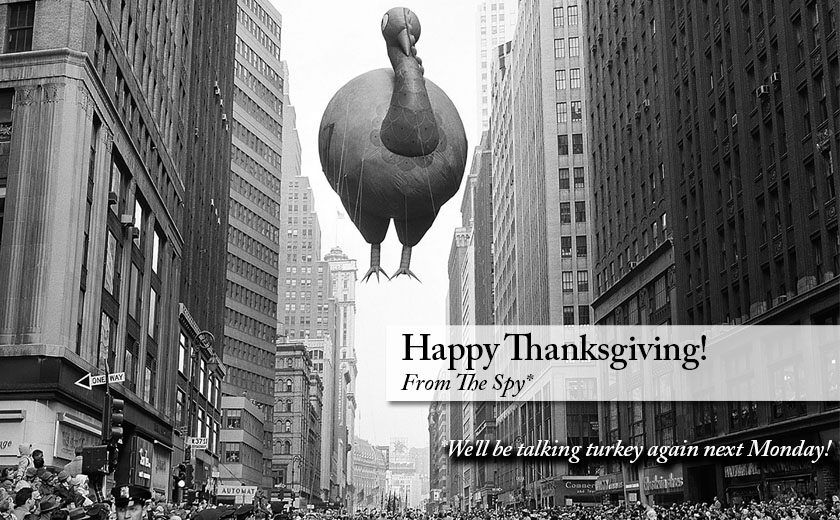
Happy Thanksgiving Weekend – We’ll Be Back Talking Turkey on Monday

November 24, 2023 by The Spy
Leave a Comment

The Spy Newspapers may periodically employ the assistance of artificial intelligence (AI) to enhance the clarity and accuracy of our content.

Filed Under: 1 Homepage Slider

  • « Previous Page
  • 1
  • …
  • 36
  • 37
  • 38
  • 39
  • 40
  • …
  • 105
  • Next Page »

Copyright © 2025

Affiliated News

  • The Chestertown Spy
  • The Talbot Spy

Sections

  • Arts
  • Cambridge
  • Commerce
  • Ecosystem
  • Education
  • Food & Garden
  • Health
  • Local Life
  • News
  • Point of View
  • Senior Nation

Spy Community Media

  • Subscribe for Free
  • Contact Us
  • COVID-19: Resources and Data

© 2025 Spy Community Media. | Log in