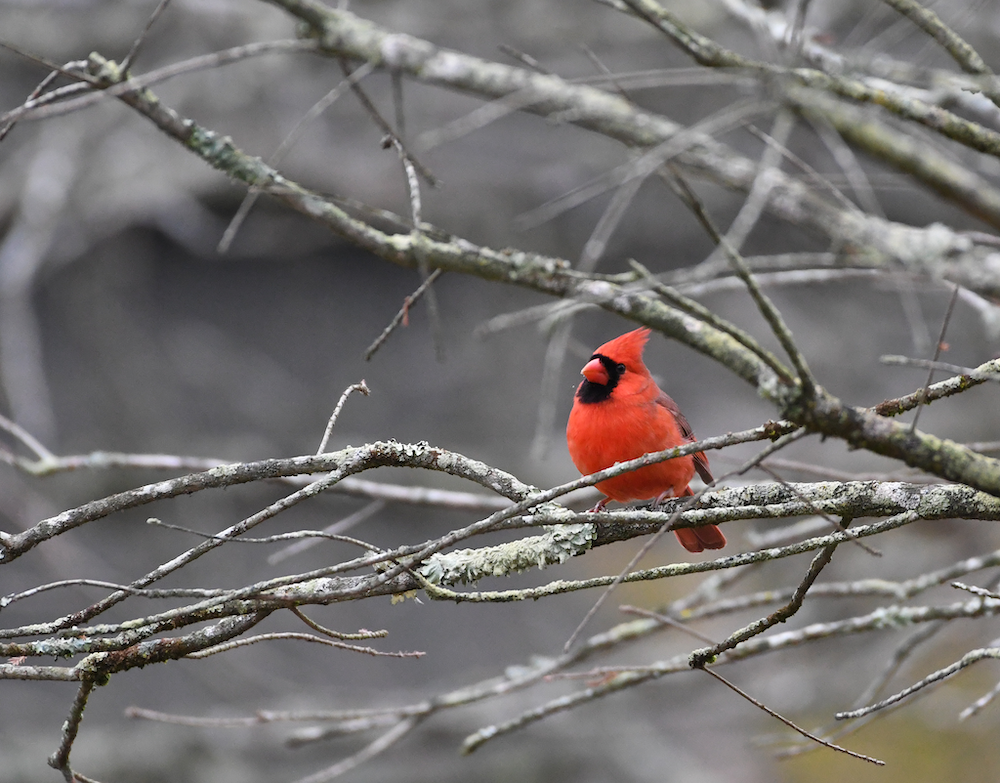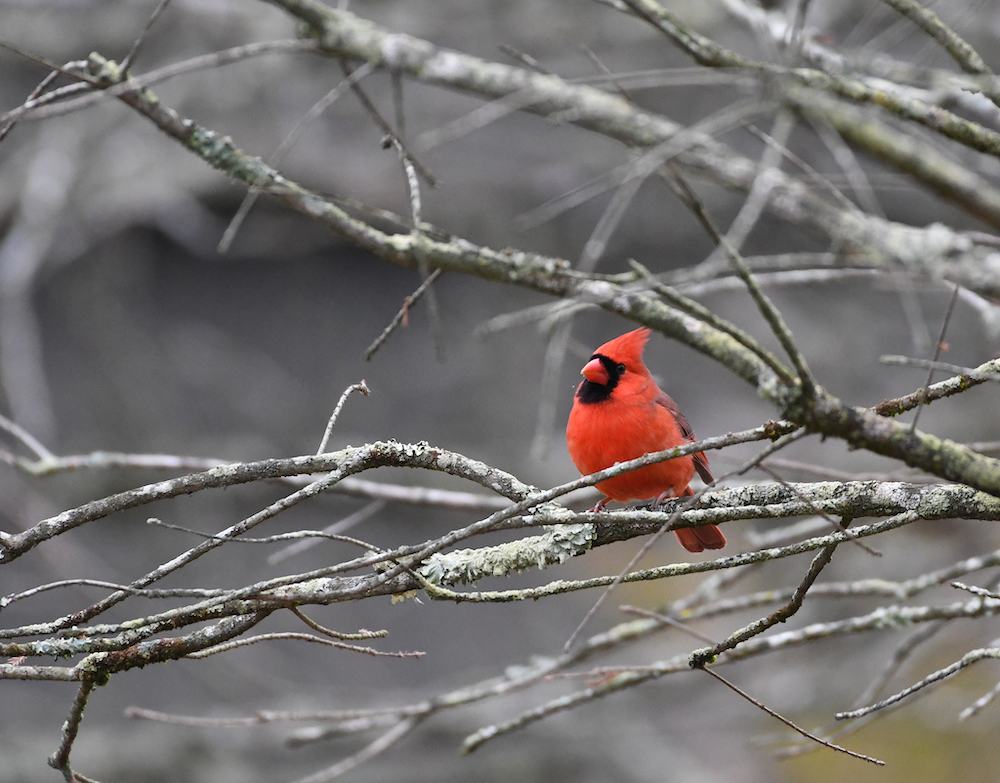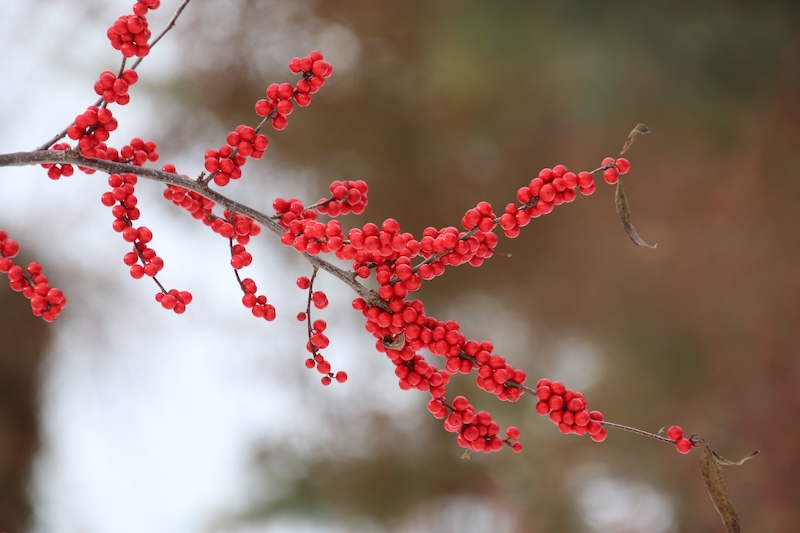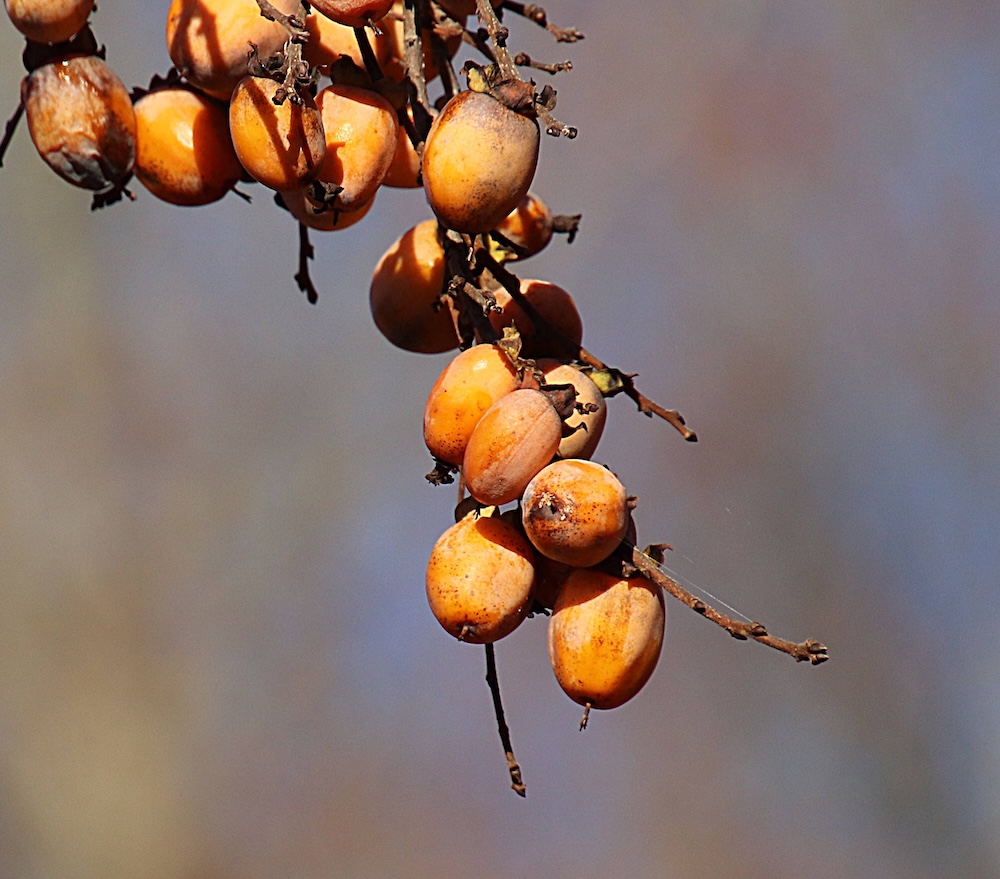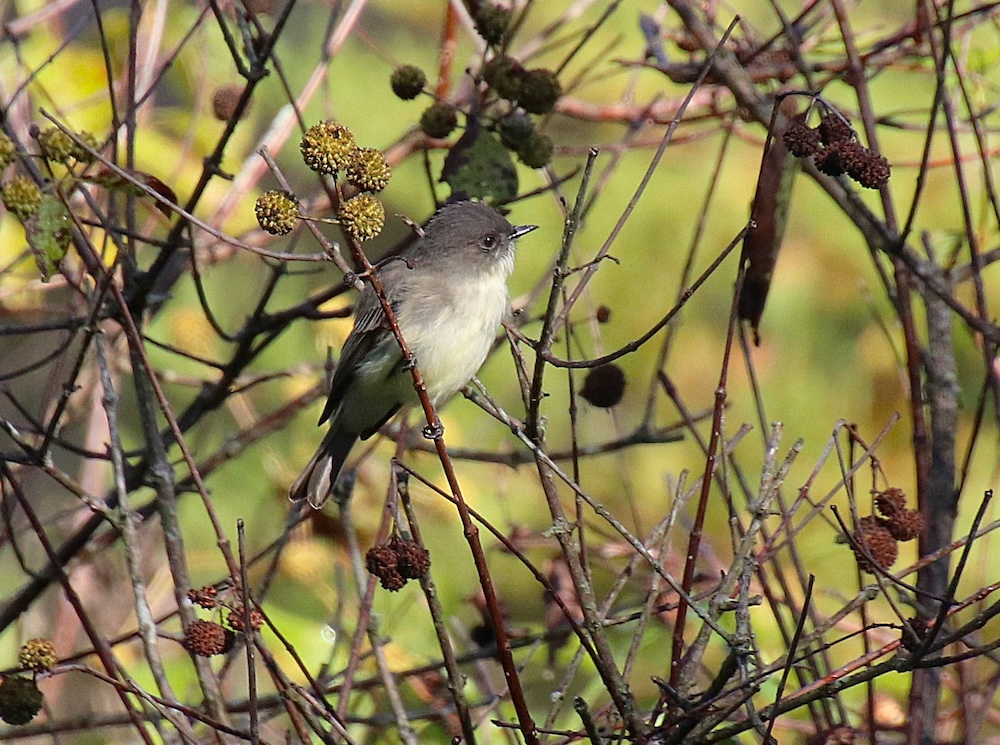

Happy Mystery Monday! 🔎 Can you guess who is pictured in photo #1?
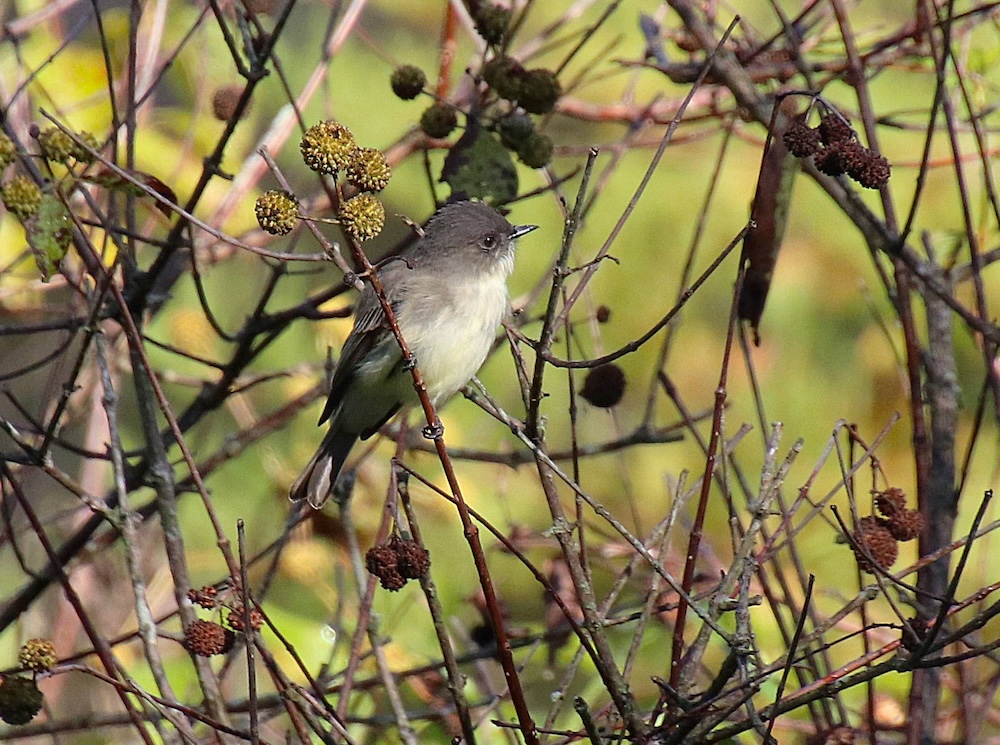
The answer to last week’s mystery is the white-throated sparrow, Zonotrichia albicollis, pictured in photo #2.

The white-throated sparrow, Zonotrichia albicollis, is a familiar and much-loved songbird native to North America. It breeds in the boreal forests of Canada, the Great Lakes region, and New England. In Winter, many migrate south through the eastern U.S., the Southwest, and even into Mexico. Females tend to migrate further south than males, increasing the proportion of female birds at lower latitudes. Some populations in Canada remain year-round residents, earning it the nickname “a North American original.”
Easily recognized, the white-throated sparrow sports a distinctive white throat patch, bold black-and-white head stripes, and a bright yellow spot between the eye and bill. It favors woodland edges, overgrown areas, and habitats near water, where it stays close to the ground, hopping and scratching through leaf litter in search of seeds and insects. Outside the breeding season, these sparrows often gather in loose, chattering flocks.
Although still considered common, white-throated sparrow populations have declined sharply, with about one in three birds disappearing since 1970. One major threat is collision with buildings during nighttime migration, when artificial lights can draw birds into deadly impacts with windows and towers. Long celebrated in literature and mythology, where sparrows were associated with Aphrodite and Venus, the white-throated sparrow remains both culturally rich and ecologically important, reminding us how closely songbirds are tied to the landscapes we shape.
Mystery Monday is sponsored by the Spy Newspapers and Adkins Arboretum.